

5 Ways To Improve the Air Quality in Your Baby’s Room
Bringing a new baby home is one of life’s most profound moments. You spend months preparing—painting the nursery, assembling the crib, and washing tiny clothes in gentle detergent. You baby-proof every corner, install gates, and cover electrical outlets. But there is one invisible hazard that many parents overlook in their quest to create a safe haven: the air their baby breathes.
We tend to think of pollution as an outdoor problem. However, the air inside our homes can be significantly more polluted than the air outside. For a newborn with developing lungs, this indoor air quality matters immensely. Because babies breathe more rapidly than adults relative to their body weight, they inhale a larger volume of air every minute.
Creating a clean air environment in your nursery isn’t just about comfort; it’s a critical step in protecting your child’s long-term health. From common dust to invisible gases, understanding what lingers in your home’s air is the first step toward clearing it. This guide explores ways to improve the air quality in your baby’s room.
Why Your Baby Is More Vulnerable
Baby’s bodies function differently. Their immune systems are still learning to defend against irritants, and their detoxification pathways are not yet fully mature.
When an adult walks into a room with poor air quality, they might feel a slight headache or throat irritation. A baby, however, lacks the biological defenses to process these toxins efficiently. Their lungs are still developing, making them far more susceptible to inflammation and infection.
Exposure to poor indoor air quality in infancy can lead to a variety of immediate and long-term health issues. Immediate symptoms often mimic a cold or flu: dizziness, coughing, sneezing, sinus congestion, and fatigue. Creating a clean air zone in the nursery is a proactive way to support your child’s respiratory development during these crucial early months.

Practical Steps To Minimize Pollutants
Fortunately, you have plenty of control over the environment in your home. Improving air quality doesn’t always require expensive equipment; often, it starts with simple habit changes and ventilation strategies.
Ventilation Is Key
The most effective way to reduce indoor pollutant levels is to bring in fresh outdoor air. Unless you live immediately next to a major pollution source, like a factory or highway, the outdoor air is likely cleaner than the air inside.
- Open the Windows: Make it a habit to open the nursery windows for at least ten to fifteen minutes daily. This simple act flushes out stale air and reduces the buildup of CO2 and VOCs.
- Use Fans: Ceiling fans or portable fans help circulate air, preventing pockets of stagnant, pollutant-filled air from lingering near the crib.
- Maintain HVAC Systems: If you have central heating or cooling, check the filters regularly. A clogged filter cannot trap particles effectively, forcing your system to work harder.
Cleaning Practices That Help
Dust is a major carrier of allergens and chemicals. How you clean the nursery impacts how much dust stays airborne. Consider switching to a vacuum with a HEPA filter. Standard vacuums often suck up dust and spit fine particles right back out into the room. A vacuum equipped with a High-Efficiency Particulate Air (HEPA) filter captures almost all of the particles, trapping them securely.
Try damp dusting instead of dry. Avoid using feather dusters, which simply flick dust from surfaces into the air. Instead, use a wet microfiber cloth to trap dust and remove it from the room entirely. Make sure you’re washing bedding frequently. Wash crib sheets and blankets in hot water weekly to kill dust mites and remove dander.
Choosing Safer Products
Prevention is better than a cure. Stopping pollutants from entering the room is easier than trying to remove them later. When decorating, choose paints labeled “Zero VOC” or “Low VOC.” If you do use standard paint, finish the project well before the baby arrives to allow ample time for off-gassing.
Harsh chemical cleaners release strong fumes. Opt for mild, fragrance-free detergents or simple solutions like vinegar and water for nursery surfaces. Pressed-wood products (like particleboard) often release formaldehyde. If possible, choose solid wood furniture. If you buy composite wood furniture, let it air out in a garage or well-ventilated room for a few days before moving it into the nursery.

The Role of Air Purifiers
Even with the best cleaning habits and ventilation, it isn’t easy to eliminate every pollutant. This reason is where mechanical help becomes valuable. An air purifier acts as a continuous scrubber for the nursery air, working around the clock to trap particles you can’t see.
Avoid air purifiers that generate ozone. Ozone is a lung irritant and can be harmful to babies. Stick to mechanical filtration methods rather than ionic or ozone-generating technologies.
The Danger of Radon
While dust and VOCs are common concerns, a silent, odorless gas demands special attention: radon. Radon is a naturally occurring radioactive gas produced by the breakdown of uranium in soil, rock, and water. It moves up through the ground and enters homes through cracks in floors, walls, and foundations.
You cannot see, smell, or taste radon, yet it is the second leading cause of lung cancer in the United States. Because babies and young children have smaller lungs and faster breathing rates, they may receive higher doses of radiation than adults in the same environment.
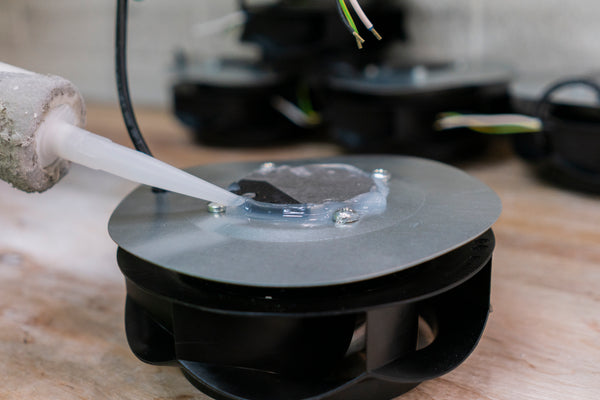
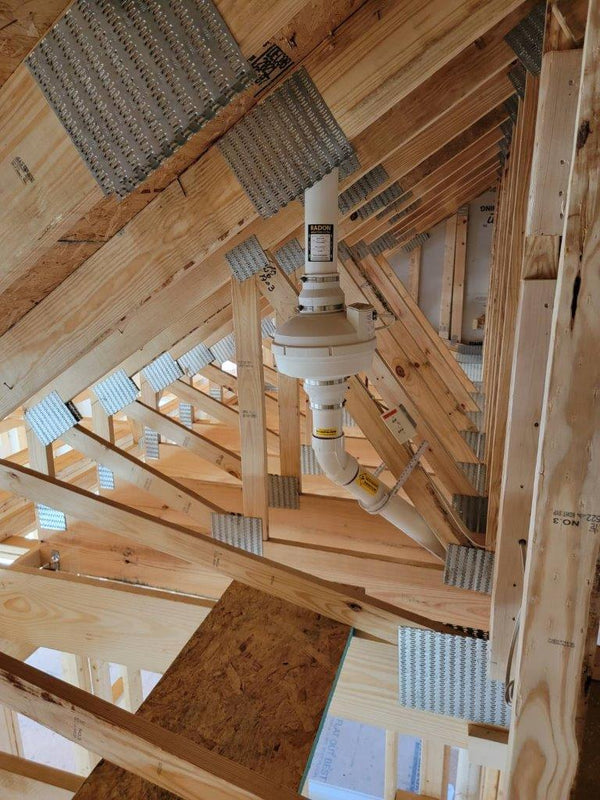
Testing is the only way to know if your home has elevated radon levels. Simple DIY test kits are available, or you can hire a professional. If high levels are detected, a mitigation system is necessary. These systems typically use a suction point and a fan to pull radon from beneath the foundation and vent it safely above the roofline.
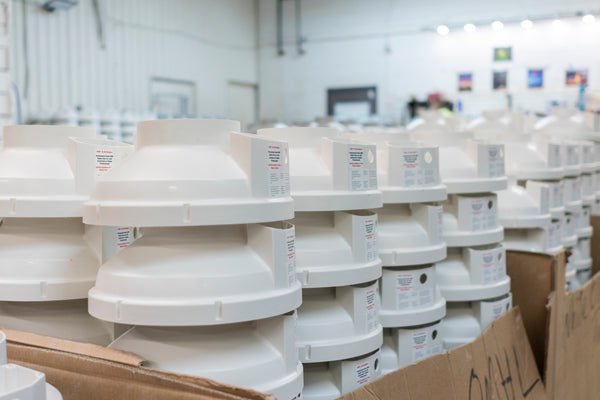
However, the exterior components of these systems can take a beating from the elements. Ice, snow, and rain can damage the fan housing or impact its performance over time. To protect this vital piece of safety equipment, many homeowners install a radon fan cover. A durable cover protects the fan motor from harsh weather and UV rays, keeping the system running efficiently. Companies like Festa Radon Technologies offer solutions designed to extend the life of your mitigation system while blending in with your home’s exterior. Keeping this system in top shape is essential to preventing radon from entering the nursery.
A Healthy Start
Creating a nursery is a labor of love. You choose the softest blankets and the safest crib because you want the best for your child. Extending that care to the air they breathe is a natural next step.
You do not need to be perfect. Start with the basics: open the windows, switch to milder cleaning products, and consider investing in a quality air purifier. Test your home for radon and check that any mitigation systems are protected and functioning. Small changes accumulate to create a significant difference.
Your baby’s room should be a sanctuary for rest and growth. By improving the air quality in the baby’s room, you create an environment where their little lungs can develop without the burden of unnecessary pollutants. It is one of the most powerful, invisible ways you can care for your new arrival.