



8 Ways To Make Your Crawl Space More Energy Efficient
Your crawl space works harder than most homeowners realize. It sits under your living space, affects floor temperatures, and influences how often your heating and cooling system runs. When air leaks, damp soil, thin insulation, and poor drainage go unchecked, your home can feel drafty in winter and sticky in summer.
Energy efficiency starts at the bottom of the house. A cleaner, drier, better-sealed crawl space helps your home hold comfortable air longer. Explore ways to make your crawl space more energy efficient.
1. Seal Air Leaks
Air leaks waste energy fast. Small gaps around plumbing lines, wiring holes, rim joists, vents, access doors, and foundation openings allow outdoor air to move into the crawl space. That air can travel upward into the home and make rooms feel colder or warmer than they should.
Start with the obvious trouble spots. Look for daylight around the access door, gaps where pipes pass through walls, and openings near the sill plate. Expanding foam works well around many penetrations, while high-quality caulk can close narrow seams.
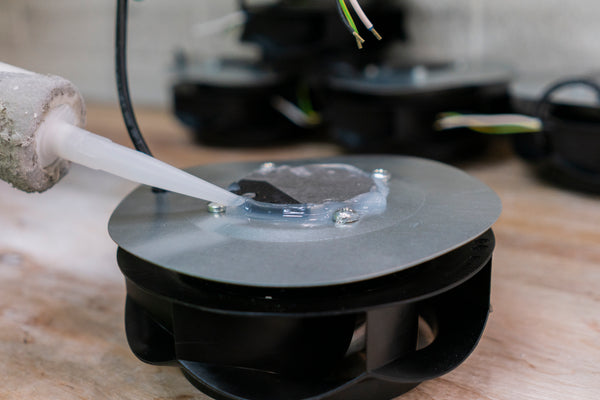
Foundation cracks need careful attention, especially in homes with radon concerns. A product such as radon crack sealant can help close certain concrete gaps as part of a broader sealing approach. Homeowners should follow product directions closely and bring in a radon professional when cracks, soil gas, or mitigation system details raise questions.
Good air sealing gives every other upgrade a stronger foundation. Insulation performs better when drafts stop moving through it, and moisture control becomes easier.
2. Add a Vapor Barrier
Bare soil releases moisture into a crawl space. That moisture can make the space feel damp, encourage musty odors, and reduce the performance of nearby insulation. A vapor barrier helps block ground moisture before it moves into the air.
Choose a durable material rather than thin plastic that tears easily. A strong liner covers the ground, runs up the foundation walls when appropriate, and overlaps at the seams. Sealing the seams creates a cleaner separation between the soil and the crawl space air.
A vapor barrier also supports energy efficiency because dry spaces hold temperature more consistently. Damp air can make your HVAC system work harder, especially during humid months. When you reduce ground moisture, you help the home feel more stable from season to season.
3. Insulate the Right Areas
Insulation helps slow heat transfer, but placement affects performance. Some homes need insulation between floor joists, while sealed crawl spaces often benefit from insulated foundation walls. The best choice depends on the crawl space design, local climate, moisture conditions, and ventilation approach.
Floor insulation can help reduce cold floors above a vented crawl space. It needs proper support so it stays in full contact with the subfloor. Gaps, sagging batts, and damp materials reduce performance and leave rooms less comfortable.
Wall insulation often works well in sealed or encapsulated crawl spaces. Rigid foam board can cover foundation walls and help moderate temperatures below the home. It also handles crawl space conditions better than many fluffy materials when installers pair it with smart moisture control.

4. Improve Drainage
Water near the foundation can undo crawl space improvements quickly. Gutters, downspouts, yard grading, and drainage paths all influence how much water reaches the area under your home. Energy efficiency suffers when the crawl space stays damp because moisture affects insulation, wood, and air quality.
Check the outside of the home before focusing only on the crawl space interior. Downspouts should move roof water away from the foundation. Soil should slope away from the home so rainwater does not collect along the walls.
Inside the crawl space, look for standing water, muddy soil, damp block walls, and stains. Some homes need a sump pump, an interior drainage channel, or an exterior drainage correction. When you control water at the source, you make every energy upgrade more effective.
5. Seal and Protect Ductwork
Many crawl spaces contain HVAC ducts. Leaky ducts can send conditioned air into the crawl space instead of the rooms where your family needs it. That waste raises energy use and can leave bedrooms, living areas, or kitchens feeling uneven.
Look for disconnected joints, crushed sections, loose tape, and damaged insulation around ducts. Metal-backed tape or mastic can seal many duct joints. Standard cloth duct tape rarely holds up in crawl space conditions.
Duct insulation also deserves attention. Even sealed ducts can lose heat in winter or gain heat in summer when insulation falls away or becomes damp. Replace damaged insulation and keep ducts off wet ground whenever possible.
Sealed and insulated ductwork helps your HVAC system deliver air more efficiently. Your system can reach the thermostat setting with less effort, and rooms can feel more consistent throughout the day.
6. Upgrade the Access Door
The access door often creates one of the largest leaks in the crawl space. A loose, warped, or uninsulated door lets outdoor air, humidity, pests, and debris enter the space. That weak spot can undercut larger upgrades.
A better door should fit tightly and close securely. Weatherstripping helps reduce air movement around the edges. Rigid insulation on the door can also reduce heat transfer, especially when the opening sits on an exterior wall.
Gaps at the bottom of the door let air and moisture creep in during windy or rainy weather. Seal that edge with durable materials that can handle repeated use. A tight access door supports insulation, moisture control, and comfort above the floor.
7. Manage Humidity
Even after sealing and drainage work, some crawl spaces still need humidity control. A crawl space dehumidifier can help maintain drier conditions during humid months. It works best after you address air leaks and ground moisture because it should not fight constant outdoor air and wet soil.
Choose equipment that fits the size and conditions of the space. A small household unit may struggle in a crawl space, especially during summer. Purpose-built crawl space models often handle lower clearances, continuous drainage, and tougher environments better.
Humidity control protects energy efficiency by helping insulation and ducts stay dry. Dry air also feels more comfortable and helps reduce musty smells.

8. Plan Around Radon
Crawl space efficiency projects often overlap with radon-related work. Sealing cracks, covering exposed soil, and improving airflow can affect how soil gas moves below the home. Homeowners should think about radon before they close up the crawl space and call the job finished.
Radon can enter through soil, cracks, gaps, and openings around the foundation. Energy upgrades may tighten the home, so testing gives you useful information before and after major work. A radon professional can explain how sealing, vapor barriers, and mitigation equipment fit together.
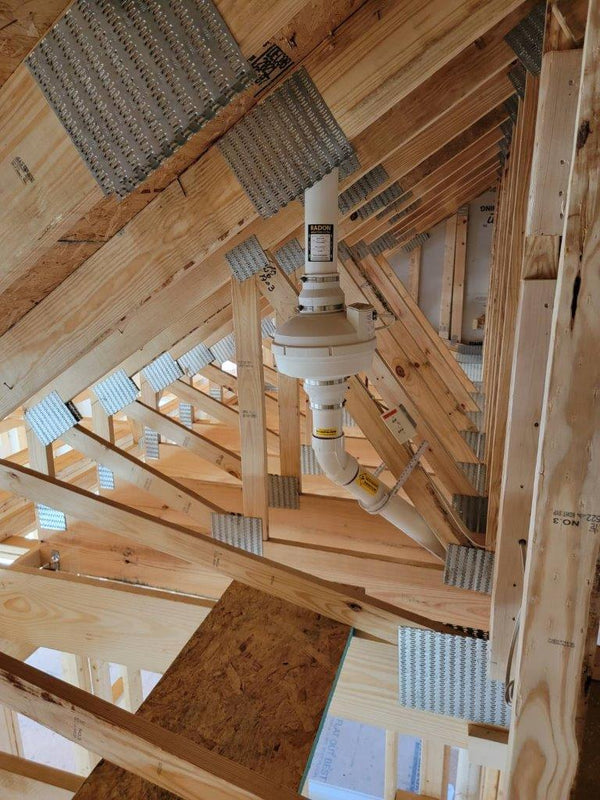
If your home already has a radon mitigation system, protect the parts that help it run properly. Do not block pipes, cover inspection points, or alter system components without guidance. Crawl space work should support both comfort and safety.
Start From the Ground Up
Your crawl space can either support your home’s efficiency or quietly work against it. Air leaks, moisture, weak insulation, leaky ducts, and poor access points all add strain to your HVAC system. When you fix those issues in the right order, your home can feel more comfortable and use energy more wisely.
Start with the basics to make your crawl space more energy efficient. Seal leaks, control moisture, improve drainage, choose the right insulation, and pay attention to radon when the project involves soil and foundation openings. Those practical upgrades create a crawl space that works with your home instead of against it.