

Home Safety Improvements You Might Be Ignoring
Most of us take pride in our homes. We keep the lawn mowed, the gutters clean, and the paint fresh. We install deadbolts, check the smoke detector batteries every time daylight saving time rolls around, and maybe even have a security system to ward off intruders. We do these things because we want to protect our families and our investments. But sometimes, the biggest threats to our home safety aren’t the ones we can see, hear, or easily prevent with a standard lock.
While smoke alarms and carbon monoxide detectors are non-negotiable staples of home safety, other hazards often fly under the radar until it’s too late. It’s easy to overlook the invisible or the subtle, assuming that if everything looks fine on the surface, everything is fine underneath. However, a truly safe home requires looking beyond the obvious. It involves understanding the unique risks that might lurk in the soil beneath your foundation or within the very structure of your house’s mechanical systems.
Taking a proactive approach to these overlooked areas doesn’t just add another layer of security; it provides peace of mind. You sleep better knowing you have addressed potential issues before they become emergencies. In this post, we will explore some critical home safety improvements that many homeowners ignore, specifically focusing on the dangers of radon gas and the systems designed to keep it at bay. By the end, you will have a clearer understanding of home safety improvements you may be ignoring.
The Silent Threat in Your Basement
You might have heard the word “radon” tossed around during a real estate transaction, but many homeowners don’t fully grasp what it is or why it matters. Radon is a radioactive gas that forms naturally when uranium, thorium, or radium breaks down in rocks, soil, and groundwater. People cannot see, smell, or taste it, but it can seep into your home through cracks in the foundation, gaps around service pipes, construction joints, and even the water supply.
Once inside, radon can build up to dangerous levels. The Environmental Protection Agency (EPA) warns that radon is the second leading cause of lung cancer in the United States, responsible for roughly 21,000 lung cancer deaths each year. It is a serious health risk that affects homes of all types—old and new, well-sealed and drafty, and homes with or without basements.
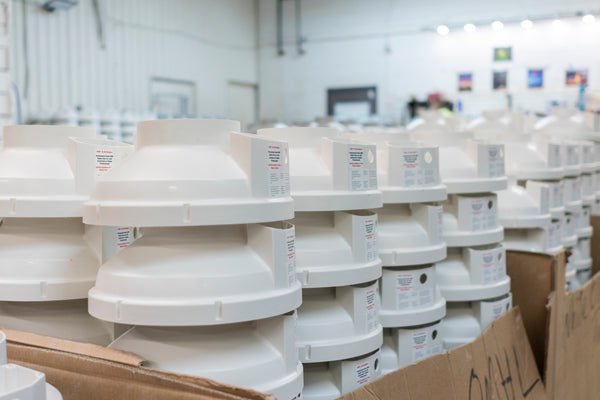
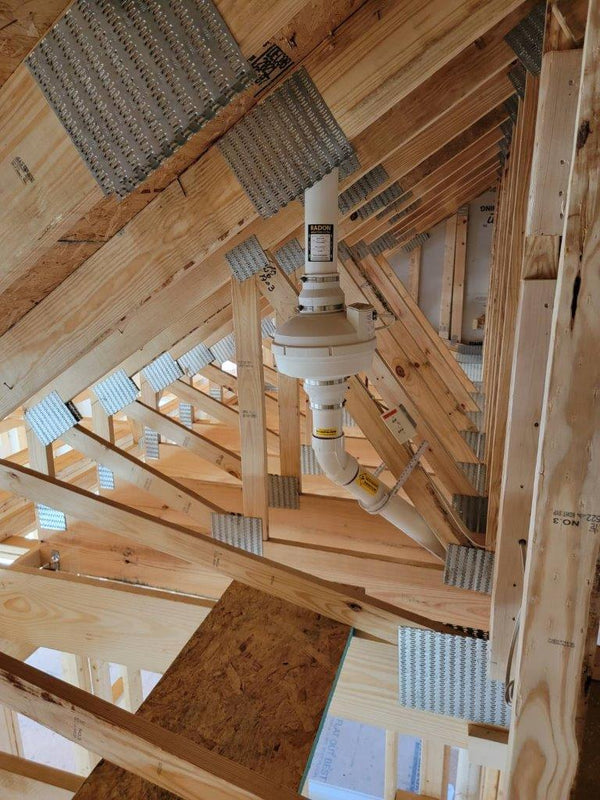
The solution to high radon levels is a radon mitigation system. These systems essentially act as a vacuum for the soil beneath your home. They pull the radon-laden air from beneath the foundation and vent it safely above the roofline, where it can dissipate into the atmosphere. Installing a mitigation system is one of the most effective ways to reduce indoor radon levels, but simply having the system isn’t enough; the quality of the installation matters immensely.

Securing Your System
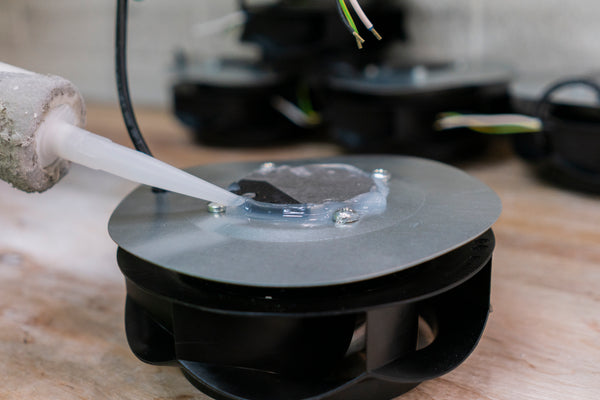
When a professional installs a radon mitigation system, the fan does the heavy lifting. This fan runs continuously, creating the suction needed to draw radon gas out from under your home. Because this equipment operates 24/7, 365 days a year, the way you mount and secure it is critical for both safety and longevity.
This security is where the importance of high-quality mounting accessories comes into play. You might think a pipe is just a pipe, but in a mitigation system, vibration and movement can lead to noise issues or, worse, system failure. If the piping shifts or disconnects, the system stops venting radon effectively, potentially allowing the gas to re-enter your living space.
Most radon systems don’t require radon fan brackets—in most installations, the fan is held securely in place by the couplers and the rigidity of the system piping. The bigger priority is making sure the piping is properly supported and firmly fastened to the structure. When the pipe run is stable and well-secured, it helps reduce vibration and noise reverberation through the home—especially important if the system runs near frequently used spaces like bedrooms. A well-supported assembly also reduces stress on the fan and connections, helping the system run smoothly over time.
That said, radon fan brackets can be a smart add-on when you want extra stability or peace of mind. They’re especially useful in situations where the fan is exposed to more movement (such as certain exterior runs, longer vertical sections, or areas prone to vibration). In those cases, pairing a bracket with quality pipe clamps and straps can further minimize shifting and keep the piping aligned. Proper support also helps manage normal condensation in the system by preventing low spots where moisture could collect, ensuring airflow stays consistent, and the mitigation system continues performing reliably.
Simple DIY Safety Checks You Can Do Today
While some home safety tasks require a professional, you can perform several checks yourself to maintain a safer environment. These small, proactive steps help you catch issues early.
Check Your Fire Extinguishers
We often buy fire extinguishers and shove them under the sink, forgetting they have expiration dates. Check the gauge on your extinguishers monthly to verify the needle is in the green zone. If the unit is over ten years old, replace it. Make sure you have one on every level of your home, in the kitchen, and in the garage.
Inspect Electrical Cords and Outlets
Frayed wires and overloaded outlets are common fire hazards. Take a walk through your house and look at the cords powering your lamps, TVs, and computers. If you see any cracking or exposed wiring, replace the cord immediately. Also, check that you aren’t daisy-chaining power strips, which can overheat and cause fires.
Test Your Sump Pump
If you have a basement, your sump pump is your first line of defense against flooding. Pour a bucket of water into the sump pit to raise the float valve and verify that the pump activates and drains the water effectively. This simple test confirms the system works before the next big storm hits.
Clean Dryer Vents
Lint buildup in dryer vents is a leading cause of house fires. Disconnect the duct from the back of your dryer and clean it out at least once a year. You can buy a simple brush kit to reach deeper into the vent or hire a service to do a thorough job.

Verify Window Locks
Go room to room and open every window. Then, close and lock the windows. You might find locks that don’t engage properly or windows that stick. In an emergency, you need to open windows easily for escape, but you also need them to lock securely to prevent intruders.
When To Call the Professionals
DIY checks are valuable, but they have limits. Some aspects of home safety require specialized equipment and expertise to evaluate accurately. Recognizing when to call in a pro is a key part of responsible homeownership.
Comprehensive Radon Testing
While you can buy a DIY test kit for radon, professional testing offers a higher level of precision. A professional can conduct continuous monitoring over a specific period to give you a detailed profile of radon levels in your home, which fluctuate with weather and seasons. If you already have a mitigation system, a professional can verify that it is still pulling the correct amount of pressure (suction) to keep you safe.
Electrical System Audit
If you live in an older home, your electrical panel might not be up to modern code. If you notice lights flickering, breakers tripping frequently, or outlets that feel warm to the touch, call a licensed electrician. They can use thermal imaging and other diagnostic tools to find hot spots inside your walls that you would never see.
Structural Foundation Inspection
Small cracks in your foundation are common, but large cracks, bowing walls, or doors that suddenly won’t close properly can indicate serious structural issues. A structural engineer can assess whether these are simple settling issues or signs of a dangerous failure. Since radon enters through foundation cracks, repairing these issues often goes hand-in-hand with radon mitigation.
Chimney Sweeping and Inspection
If you have a wood-burning fireplace, creosote buildup is a significant fire risk. A professional chimney sweep not only cleans the flue but also inspects the liner for cracks. A cracked liner can allow heat and toxic gases to seep into your home’s structure, posing both fire and health risks.
Taking Action for a Safer Home
Home safety is a checklist you should never ignore. It is an ongoing commitment. It involves staying curious about how your home works and being willing to look for problems that aren’t immediately visible. From understanding the silent risks of radon to ensuring your dryer vents are clear, every step you take builds a safer environment for your family.
Don’t wait for a warning sign to act. Start with the simple DIY checks this weekend. Walk around your house, test your alarms, and look at your cords. Then, consider the deeper health of your home. If you haven’t tested for radon recently, make that a priority. If you have a system installed, check that the fan is secure and the piping is stable.
If you discover you need to install or upgrade a radon mitigation system, choosing the right components is crucial. You want hardware that stands the test of time and keeps your system running smoothly and quietly. For homeowners and professionals looking for reliable, high-quality solutions, Festa Radon Technologies offers a comprehensive range of radon fans and mounting accessories designed to meet rigorous safety standards. Protect your home with confidence by ensuring every part of your safety system will last.