

Is Radon Monitoring Necessary? What You Should Know
Most homeowners do not think about radon until someone brings it up during a home sale, an inspection, or a conversation about indoor air. That reaction makes sense. Radon gives no warning signs you can see, smell, or feel. It can build up in a home quietly, which makes it easy to ignore until a test reveals a problem.
That quiet presence is what makes radon such an important topic for families. People often ask whether one test is enough or whether they should keep checking over time. The answer depends on your home, your past test results, and how much confidence you want in the air you breathe every day.
Radon monitoring gives homeowners a way to move beyond guesswork. Instead of relying on a single result from one point in time, monitoring helps you understand whether radon levels stay low, rise with seasonal changes, or remain high enough to call for action. For many homes, that added visibility can make a big difference. This blog will let you know if radon monitoring is necessary and what else you should know.
Why Radon Deserves Ongoing Attention
Radon comes from the natural breakdown of uranium in soil and rock. It can move through the ground and enter a house through openings in the foundation, gaps around pipes, sump pits, and other entry points. Once inside, it can accumulate in the lower levels of the home.
Many people think of radon as a one-time issue. They test once, get a number, and assume they have a complete answer. In reality, radon levels can change. Weather, ventilation, foundation conditions, and how often you use certain parts of the home can all influence the reading.
That does not mean every home needs constant tracking. It does mean a single test does not always tell the whole story. If you want a clearer picture of long-term exposure, monitoring provides more useful information than a single isolated result.
What Radon Monitoring Means
Radon monitoring can take a few different forms. In some cases, it means testing your home at regular intervals. In other cases, it means using radon testing devices that track levels over time and show how readings change from day to day or month to month.
That broader view appeals to many homeowners because it feels more practical than relying on a one-time test alone. A short-term test still has value, especially when you need a quick snapshot. Monitoring simply adds context, showing whether the reading stays stable or shifts enough to raise concern.
Why One Test May Not Be Enough
A one-time radon test can help you get started, but it only captures conditions during a limited window. If you test during one season, you may not see how your home behaves during another. Colder months often lead people to keep windows closed and spend more time inside, which can affect indoor air patterns.
Changes inside the home can also influence radon levels. A finished basement, a new HVAC setup, different ventilation habits, or even a shift in how often you use lower levels can change the way air moves through the house. Those changes can affect the reading you get.
That is why monitoring can play such a useful role. It helps you look at radon as an ongoing home condition instead of a one-time event. For homeowners who want more confidence in their results, that ongoing approach often feels more realistic.
When Monitoring Makes Sense
Monitoring makes the most sense when you already have a reason to look more closely. If a past test showed elevated radon levels, continued tracking can help you decide what to do next. It can also help you confirm whether levels remain high or fluctuate near a level that still warrants attention.
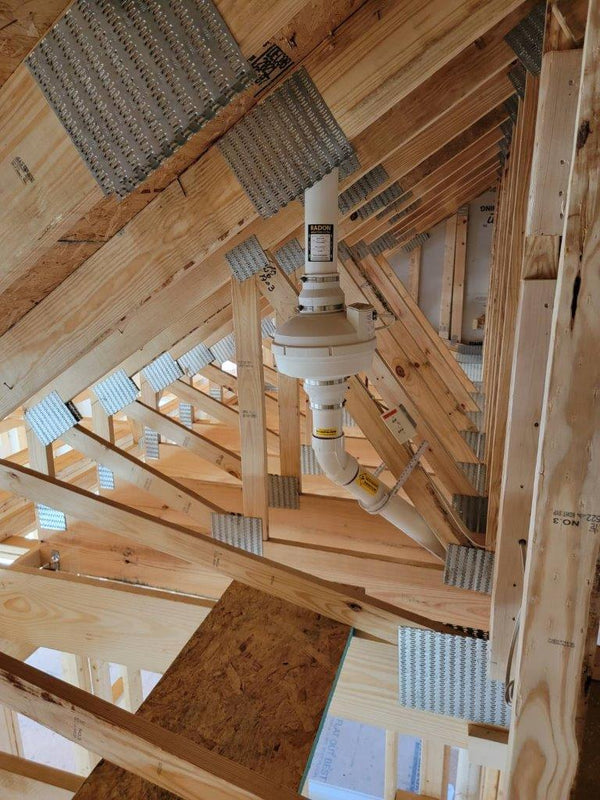
It also makes sense after a mitigation system is in place. Many homeowners want proof that the system continues to do its job. A follow-up test provides one answer, but ongoing monitoring can show whether performance remains consistent over time.
Another common reason is changes in how you live in the home. If you convert a basement into a bedroom, playroom, office, or workout area, that lower level becomes a much larger part of daily life. In that case, many homeowners want more than a one-time test. They want a better understanding of the air in a space they use often.
Monitoring can also help if you plan to buy or sell a home. A single test may satisfy a transaction requirement, but homeowners who plan to stay long term often want more information after moving in.

Short-Term Testing and Continuous Monitoring
Short-term tests and continuous monitors both serve a purpose. A short-term test works well for an initial check. It is simple, widely available, and useful when you need a quick reading. Many homeowners start there because it offers an easy first step.
Continuous monitoring offers something different. It helps you track radon over time so you can see trends rather than a single isolated result. That kind of information can feel more helpful if your first reading was near a level that raised questions or if you want to keep an eye on conditions after mitigation.
Neither option is a perfect substitute for the other in every situation. The best choice depends on what you want to learn. If you need a quick answer, a short-term test may work well. If you want a fuller picture of what happens in your home under changing conditions, monitoring has clear advantages.
Common Misunderstandings
One common misunderstanding is the idea that newer homes do not have radon issues. Age alone does not protect a home from radon. New and old homes can both have elevated levels depending on the soil, the structure, and how the house interacts with the ground below it.
Another misunderstanding comes from comparing your home to a neighbor’s. Two homes on the same street can have very different radon readings. Similar square footage or similar construction does not guarantee similar results.
Some homeowners also assume a low result means they never need to test again. That can create a false sense of certainty. Homes change over time, and so do indoor conditions. Monitoring helps reduce that uncertainty by showing whether your original result still reflects current conditions.
How Homeowners Can Make a Smart Choice
The best place to start is with your own situation. If you have never tested, start there. A first test gives you a baseline and helps you determine whether you need to take further steps. If the result comes back high, you can move toward follow-up testing, mitigation, or both.
If your first result falls near a level that leaves you uneasy, monitoring can help you make a more informed decision. Instead of wondering whether the number was unusual, you can look at the broader pattern. That additional information often makes the next steps feel less stressful.
If your home already has a mitigation system, monitoring can support long-term confidence. It gives you a way to check performance without relying on assumptions. For families who want regular insight into indoor air quality, it can feel like a practical investment.

Peace of Mind Has Real Value
For many homeowners, the biggest benefit of radon monitoring is peace of mind grounded in real information. It helps you replace uncertainty with a clearer understanding of what is happening inside your home. That confidence can feel especially important when you have children, spend a lot of time in a basement, or want to keep a close eye on indoor air quality.
Monitoring doesn’t need to feel complicated. It simply gives you a better view of radon over time. In some homes, that may confirm that levels remain low. In others, it may reveal a pattern that points toward mitigation or follow-up testing.
Radon monitoring is not always necessary in the sense that every home needs constant tracking. Still, many homeowners benefit from more than a single test. If you want a clearer picture of your home, monitoring can help you make decisions with more confidence and less guesswork.