
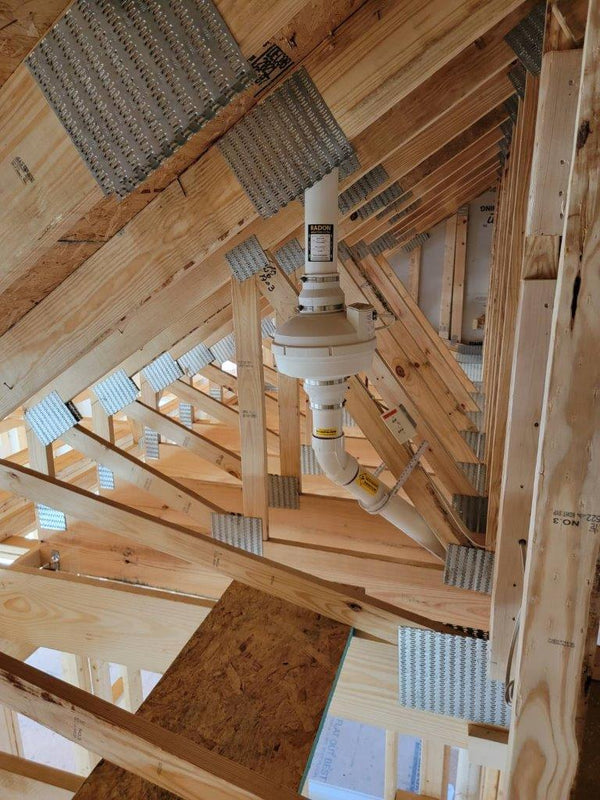

Reasons To Hire a Certified Radon Mitigation Technician
Radon problems rarely announce themselves. Radon gas has no smell, no color, and no taste, yet radon exposure increases lung cancer risk over time. Public health agencies consistently rank radon as a leading cause of lung cancer among nonsmokers, which makes effective testing and mitigation a serious home-safety decision.
When a test shows elevated radon, many homeowners feel tempted to solve the problem quickly with the cheapest option or a one-size-fits-all approach. That instinct can backfire because radon reduction depends on building science, pressure relationships, and careful installation details. Certified radon mitigation technicians bring training, accountability, and standards-based methods to a job that needs more than good intentions. A certified technician also verifies performance after the work, which turns a mitigation system from a hopeful upgrade into a measurable safety improvement. Continue reading to explore the reasons to hire a certified radon mitigation technician.
What Certification Really Means
Certification does not simply add initials to a business card. It signals that a technician has completed required education, passed an exam, and committed to ongoing renewal requirements through a recognized credentialing body. For example, the National Radon Safety Board lists certifications for measurement and mitigation work, including Radon Measurement Technician, Radon Measurement Specialist, and Radon Mitigation Specialist.
Certification also aligns with standards of practice. Industry standards, such as the ANSI/AARST soil gas mitigation and measurement standards, outline minimum requirements and best practices for reducing radon and other soil gases in homes. When you hire a certified technician, you increase the likelihood that the technician follows current standards rather than improvising a system that looks right but performs poorly.

Standards Reduce Guesswork and Improve Consistency
Radon does not behave the same way in every home, even in the same neighborhood. Soil composition, foundation type, HVAC operation, and weather patterns all influence radon entry and indoor levels. A certified technician learns how these variables interact and then applies a repeatable process to diagnose and reduce radon. That consistent process matters because radon mitigation succeeds through details that a casual installer may overlook.
Certified Technicians Deliver Reliable Testing
Some homeowners start with a do-it-yourself test, and that approach can work as a first step. However, a technician with measurement credentials understands device placement, closed-house conditions, test duration options, and how to interpret results in context. That expertise matters when results are near decision thresholds or when the home has multiple foundation types or complex air pathways.
A certified professional can also help you choose the right follow-up strategy. The EPA recommends action at 4.0 pCi/L and emphasizes that no level of radon exposure carries zero risk. A knowledgeable technician can explain what the number means, why radon levels change day to day, and how confirmatory testing can strengthen your decision.
Reduces the Risk of False Confidence
A flawed test can create false confidence, and false confidence delays real mitigation. Poor placement near drafts, open windows, or unusual airflow can understate the true living-area exposure. A certified measurement professional reduces those errors and documents the conditions so you can trust the baseline and track improvement after mitigation.
Design Systems for the House
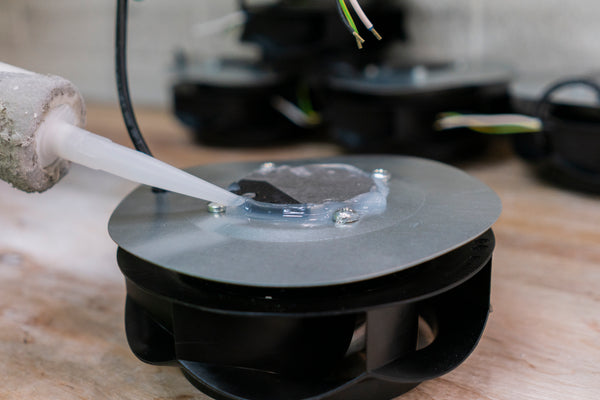
Radon mitigation rarely succeeds with a “fan plus pipe” approach alone. A technician must select a strategy that matches the foundation, soil gas flow, and the home’s internal pressure dynamics. Many homes respond well to active soil depressurization, but the system still requires correct suction-point placement, appropriate piping layout, and a fan sized to the system’s resistance.
A certified technician typically evaluates the building before selecting equipment and routing. The technician checks slab thickness and cracks, looks for sump pits or drain tile connections, reviews crawlspace conditions, and identifies how air moves through the home. That evaluation helps the technician choose a design that reduces without creating new issues such as noise, vibration, or backdraft risks.
Correct Design Avoids Underperformance and Overspending
Undersized systems can fail quietly. Oversized systems can create unnecessary cost, noise, and energy use. A certified technician aims for the right balance and then confirms performance after installation through post-mitigation testing.
Protect Safety During Installation
Radon mitigation involves more than plumbing. A technician often works with electrical power, penetrations through the building envelope, and vent routing that must protect occupants and preserve the home’s structure. A certified technician understands safety practices for electrical connections, condensation management, and discharge placement to ensure radon exhaust moves away from openings and does not re-enter the building.
A certified technician also understands when the job needs coordination with other trades. The technician may recommend a licensed electrician for certain connections or advise changes to combustion appliance setup if the home has conditions that increase backdraft risk. That safety-first mindset reduces the chance that a mitigation project solves radon but introduces other hazards.

Proper sealing improves performance
Sealing supports mitigation, but sealing rarely serves as a standalone solution. Certified technicians typically use sealing to improve system efficiency and reduce short-circuiting pathways, not to claim that caulk alone will fix a radon problem. That realistic approach aligns with standards-based practice and produces more durable results.
Verify Results and Provide Documentation
Radon mitigation should end with verification. A certified technician typically performs or coordinates post-mitigation testing to confirm that the system reduced radon levels. Verification matters because homeowners cannot judge performance by sight, and a system can look professional while still leaving indoor radon levels high.
Documentation also helps you in practical ways. You can reference test results during a home sale, track system performance over time, and show future service providers how the system was built. If the system needs maintenance, the documentation helps a technician troubleshoot quickly rather than guess.
Ongoing Maintenance Becomes Simpler
A mitigation system can run for years, but the system still benefits from periodic checks and retesting. A certified technician can explain what normal operation looks like, how to read a system indicator, and when to schedule follow-up tests. That guidance reduces anxiety and helps you maintain confidence that the system continues to protect your household.
Help You Avoid Expensive Mistakes
Radon mitigation mistakes often cost more than the original job. Poorly routed vent pipes can cause condensation problems and lead to moisture damage or cold-weather performance issues. Weak mounting can create vibration and noise that disrupt daily life. Incorrect discharge placement can increase the chance that radon exhaust re-enters the home through nearby openings.
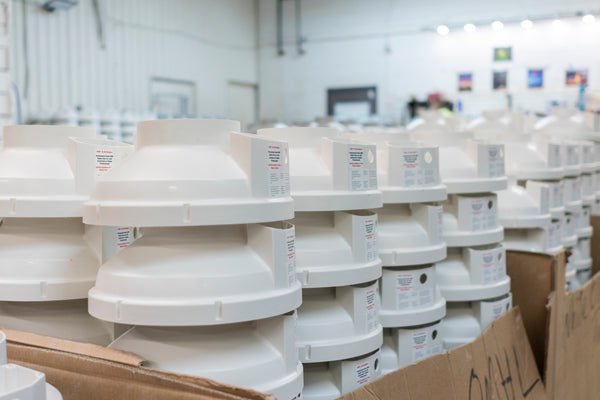
A certified technician reduces these risks through training and experience. The technician also knows when a home needs a more customized approach, such as multiple suction points or special crawlspace strategies. That expertise saves money by getting the system right the first time and by preventing rework. They can also help you choose the right outdoor radon fan cover.
How To Choose the Right Certified Technician
Start by asking which certification the technician holds and which organization issued it. Ask whether the technician follows current consensus standards, such as ANSI/AARST standards for measurement and mitigation. You can also ask how the technician plans to verify results after installation and what documentation you will receive.
You should also ask the technician to explain the proposed system in plain language. A capable professional can explain why the design fits your home, where the vent will run, how the fan choice aligns with the system, and how the technician will manage moisture and noise. That conversation gives you a clear basis for comparing bids on quality, not just price.
Closing Thoughts
Radon mitigation works best when a trained professional matches the solution to the building and then verifies the outcome through testing. Certified radon mitigation technicians bring education, standards-based methods, and accountability to a project that directly affects long-term health risk. Certification also helps ensure the technician installs the system safely, documents the work clearly, and supports you after installation with guidance and verification. If you plan to reduce radon in your home, hiring a certified technician gives you the most reliable path from a test result to a safer living space.