


Smart Home Air Quality Monitoring: A Complete Guide
Most people think about air quality only when something smells off or a room feels stuffy. By then, the problem has usually been building for hours or even days. Smart home air quality monitoring changes that by giving homeowners a clearer view of the air they breathe every day.
That matters because indoor air can change quickly. Cooking, humidity, dust, pet dander, cleaning products, and ventilation issues can all affect comfort in a home. A smart monitoring setup helps you spot those changes early, understand what may be causing them, and make better choices for a healthier indoor environment. This guide will help you understand smart home air quality monitoring.
What Smart Monitoring Means
Smart home air quality monitoring uses connected devices to track indoor conditions in real time. Instead of relying on guesswork, you get live readings via a monitor, a mobile app, or both. That gives you a much better sense of how daily routines affect the air around you.
Many of these systems track more than one metric at once. Depending on the model, a monitor may measure particulate matter, humidity, temperature, volatile organic compounds, and carbon dioxide. Some advanced systems also help homeowners keep an eye on radon and other concerns that may not be obvious without dedicated equipment.
Why Homeowners Care More Now
Smart technology has transformed how people manage comfort, security, and energy use at home. Air quality has become part of that conversation as well. Homeowners want more control over the spaces where they sleep, cook, work, and spend time with family.
People also want answers they can act on. If a bedroom feels stuffy every morning, a monitor can reveal whether poor ventilation is part of the problem. If cooking regularly triggers poor readings in the kitchen, the data can point you toward better exhaust habits, stronger ventilation, or filtration upgrades. Instead of reacting to symptoms, you can respond to patterns.

What These Systems Usually Track
One of the most common measurements is particulate matter. These are tiny particles that can come from dust, smoke, cooking, and other indoor sources. Fine particles can build up without being visible, which makes monitoring especially useful in busy households.
Many smart devices also track VOCs, which are gases emitted by items such as paint, cleaning products, furniture, and other household materials. Carbon dioxide is another common measurement because high indoor levels can indicate poor airflow or stale air. Humidity and temperature matter too because they affect comfort and can contribute to conditions that allow mold and other issues to thrive.
Real-Time Data Changes the Game
The biggest advantage of smart monitoring is speed. Traditional air quality concerns often go unnoticed until people feel uncomfortable or spot visible signs of a problem. Smart systems shorten that gap by sending alerts as conditions change.
That kind of immediate feedback helps people connect cause and effect. You might learn that a shower without proper ventilation quickly raises humidity. You might notice that a new cleaning product spikes airborne irritants. Over time, the monitor stops being just a gadget and becomes a practical tool for making your home feel better day to day.
Smart Homes Work Better With Smart Air Data
A connected monitor becomes even more helpful when it integrates with other systems in the home. Some homeowners link their monitor to an air purifier, smart thermostat, or ventilation controls. When air quality drops, those connected systems can respond immediately instead of waiting for someone to step in.
That kind of automation can be especially useful in everyday routines. A smart setup might boost ventilation while cooking, turn on a purifier when particle levels rise, or help you manage humidity in problem areas. The goal isn’t to fill your house with devices just for the sake of it. The goal is to make the home more responsive and comfortable.
Placement Matters More Than People Think
Even the best monitor won’t help much if it’s in the wrong place. A device placed too close to a vent, an open window, or a doorway may produce readings that don’t reflect the room as a whole. Proper placement makes the data more useful and more trustworthy.
Many homeowners start in the main living area because that space sees the most activity. Bedrooms also make sense because people spend so many hours there each night. Basements deserve attention too, especially in homes where moisture, airflow, or radon may be a concern. In some cases, that lower level gives you the clearest picture of issues that would otherwise stay hidden.
A Basement Often Tells an Important Story
For many homes, the basement acts like an early warning zone. Changes in moisture, ventilation, and air movement often show up there first. If you monitor only the upper floors, you may miss part of the picture.
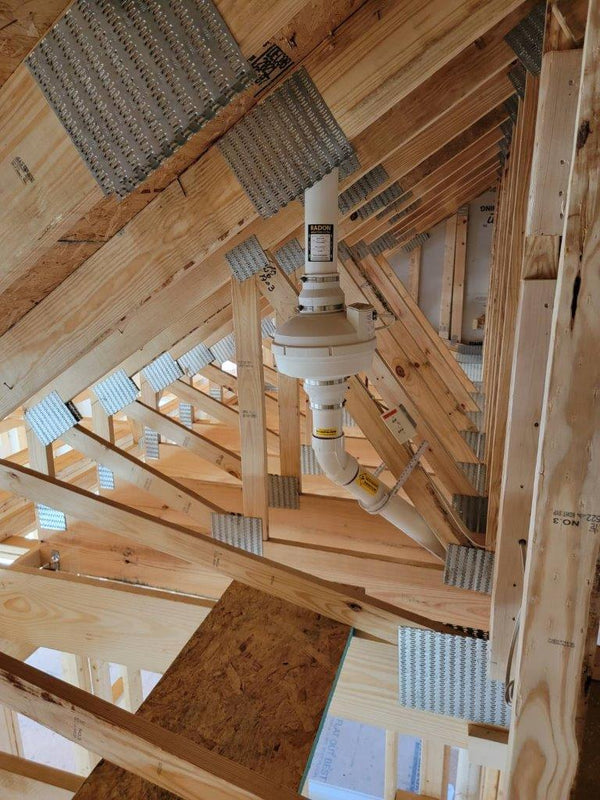
That matters even more in homes with radon concerns. General air-quality monitors and dedicated radon devices serve different purposes, but together they can help homeowners understand how air moves through the house. If you’re evaluating air quality on a lower level and planning broader mitigation improvements, products like a radon remediation fan may become part of that larger conversation once testing confirms a need.
Looking at Trends Beats Checking One Number
A single reading can be useful, but patterns tell the real story. Maybe the house feels fine most of the day, then air quality slips every evening when dinner is on the stove. Maybe humidity climbs after every rainstorm. Maybe one room consistently looks worse than the others.
Smart monitoring helps you see those trends instead of chasing isolated moments. That makes it easier to decide whether you need a simple habit change, better filtration, more ventilation, or a targeted upgrade. It also helps you avoid overreacting to short spikes that may fade quickly on their own.

Choosing the Right System
Not every homeowner needs the same setup. Some people want a simple monitor that tracks a few basic conditions and sends app alerts. Others want multi-room coverage and integration with several smart home devices. The right choice depends on the size of the home, the issues you’re trying to watch, and how much detail you want.
It also helps to think about your goals before buying. If you want better sleep, bedroom monitoring may matter most. If you want cleaner air while cooking, the kitchen and nearby living spaces may be the priority. If you’re focused on lower-level conditions, look for a setup that helps you track those areas clearly and consistently.
What Smart Monitoring Can and Can’t Do
Smart monitoring gives you visibility, but it doesn’t solve every air quality problem on its own. A monitor can tell you when conditions change and may help you identify patterns, but you still need the right response. That could mean improving ventilation, replacing filters, changing the products you use indoors, or addressing a larger home issue.
That’s an important distinction. Good data supports better decisions, but data alone won’t fix poor airflow, chronic humidity, or radon exposure. Homeowners get the best results when they treat monitoring as part of a broader plan to improve indoor air quality, not as a one-step cure.
A Healthier Home Starts With Awareness
You don’t need to become an air quality expert to make smarter choices at home. You just need better visibility into what’s going on indoors. Smart home air quality monitoring gives you that visibility in a way that feels practical, modern, and easy to use.
When you can see patterns, catch changes early, and respond with purpose, your home becomes easier to manage. You breathe easier, you make more informed decisions, and you gain a clearer sense of what your space needs. That kind of insight can make a real difference, especially in the places where your family spends the most time.