

What Is Radon-Resistant Construction & Why Is It Important?
Imagine doing everything right when building a new home and still putting your family at risk without realizing it. That’s what can happen when radon enters the picture.
Radon is invisible, odorless, and tasteless. You won’t notice it creeping into your home, but it can have a long-term impact on your health. That’s why understanding radon-resistant construction isn’t just helpful; it’s crucial. Whether you’re a homeowner, a buyer, or a builder, knowing how to protect your space from radon exposure changes everything. Continue reading to learn more about radon-resistant construction and its importance.
The Silent Danger in the Soil
Let’s talk about where radon comes from. It forms naturally in soil, rocks, and groundwater as uranium breaks down. Because it’s a gas, it moves freely through the ground and can seep into buildings through tiny cracks in foundations, gaps in floors, and other unsealed areas. Basements and lower-level rooms tend to collect the most radon, especially in homes that aren’t well-ventilated.
Since it’s colorless and odorless, you won’t know it’s there unless you test for it. And even then, testing often doesn’t happen until after someone has already been exposed for months—or years. That’s what makes it so dangerous. By the time radon becomes part of the conversation, it’s usually already been a problem.

Building Defense Right Into the Foundation
Radon-resistant construction takes a forward-thinking approach to indoor air safety. Instead of waiting to react to a radon problem, these techniques prevent the gas from entering in the first place. Think of it like a home’s waterproofing system. You don’t wait for a flood to install a sump pump. Likewise, you don’t wait for radon to accumulate before defending against it.
Homes built with radon-resistant features create an automatic layer of protection. These aren’t flashy upgrades, but they quietly do the job: keeping harmful radon gas out, protecting everyone inside, and saving thousands in future repairs or health costs.
How Radon-Resistant Construction Works
So what actually goes into making a home radon-resistant? It starts with the foundation. Builders include a few simple, cost-effective features during construction that work together to block and vent radon gas:
- A gas-permeable layer (usually gravel) is placed beneath the concrete slab to allow soil gases to move freely instead of building up.
- Heavy-duty plastic sheeting sits above that layer to keep soil gases from entering the home.
- Sealing all cracks and openings in the slab and foundation keeps radon from sneaking through.
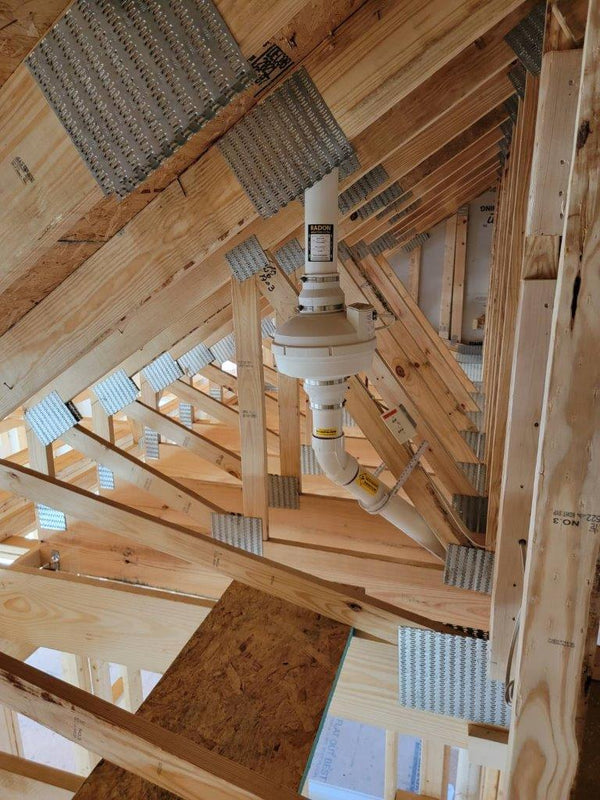
- A vertical vent pipe, typically PVC, runs from below the foundation up through the roof. This safely directs any radon gas out of the home before it enters living spaces.
- An electrical junction box is installed in the attic or near the pipe for a future fan if an active system ever becomes necessary.
These features create what’s known as a passive radon mitigation system—it works without needing power or moving parts. But if higher levels of radon are ever detected, it can easily be upgraded to an active system by adding a vent fan.
The Payoff: Health, Safety, and Peace of Mind
Radon-resistant construction is about taking control of indoor air quality from day one. If you’re building a new home, integrating these features early is far less expensive and invasive than retrofitting later. Plus, it shows your builder or developer is thinking about long-term health and not just short-term savings. For homeowners, it’s a relief knowing your space is protected from a threat you can’t see or smell. For buyers, it’s one more reason to feel confident in your investment.
In areas known to have high levels of radon, some municipalities even require radon-resistant features in new construction. But even where it’s optional, more homebuyers are asking for it—and for good reason.
Radon Mitigation Kits and Existing Homes
What if your home’s already built and you’re concerned about radon? The good news is, you’re not out of options. Radon mitigation kits offer a powerful solution for existing homes. These kits include components like vent fans, and sealing materials that can be professionally installed to create a negative pressure system that actively pulls radon from beneath the house and vents it outside.
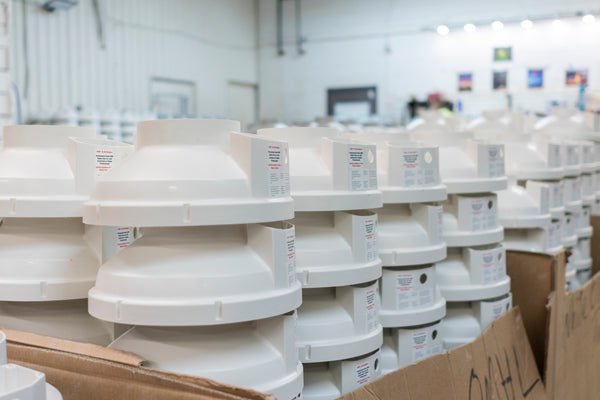
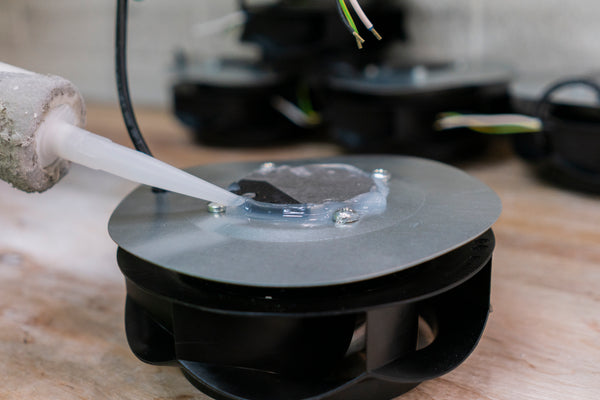
Festa Sun Enterprises offers a bundle option for all of their radon fans, turning it into an installation kit that fits either three- or four-inch PVC. This installation kit includes everything you need to activate a passive radon system, including couplers, a manometer, system labels, and a line cord kit to connect to power. You just need to make a slice in the pipe in the attic (or cut out a section if you don’t want the exhaust to stick out of the roof too far) to install the radon fan and plug it into the outlet that is installed for RRNC practices. You can activate this in 15 minutes of labor, and everything you’ll need is in the box.
When installed properly, these systems significantly reduce indoor radon levels and bring homes into the safe range recommended by the EPA. Some kits are designed for DIY installation, but working with a certified radon contractor gives you the best results—especially in high-risk zones. Even better, if your home already has the rough-in from radon-resistant construction, upgrading to an active system is a simple, affordable step.

Builders: Stand Out by Building Safer
If you’re a builder or developer, incorporating radon-resistant construction into your process is one of the smartest decisions you can make. It doesn’t add a significant cost to the build, but it adds huge value in the eyes of today’s health-conscious homebuyers.
Buyers appreciate builders who think beyond aesthetics and focus on wellness. And since many people don’t discover radon until it becomes a problem, offering radon-resistance up front shows that you’re ahead of the curve.
It also reduces liability, avoids expensive retrofits, and earns long-term trust. Healthier homes aren’t just a trend—they’re a demand. By adding radon protection, you’re meeting that demand with integrity.
Homebuyers: Ask the Right Questions
When touring new builds, don’t hesitate to ask about radon resistance. If you’re building from scratch, talk to your contractor early about integrating radon mitigation into the design. A small conversation now can save major costs—and protect your health—later.
Questions to consider:
- Does this home include radon-resistant construction features?
- Has the home been tested for radon?
- Is the system passive or active?
- Can it be upgraded easily?
These conversations empower you to make informed decisions and show that you’re thinking beyond flooring choices and granite countertops.
Healthy Air Shouldn’t Be Optional
Indoor air quality often gets overlooked in the building process. We obsess over square footage, finishes, and fixtures, but forget about the air we breathe every minute we’re inside.
Radon-resistant construction brings that conversation to the forefront. It’s not a scare tactic. It’s a smart design. It protects families, adds value to homes, and reflects a growing shift toward building with purpose. And in an age where health is more important than ever, that’s a shift worth celebrating.