

9 Benefits of Continuous Radon Monitoring Systems
Radon doesn’t announce itself. You can’t smell, see, or taste it, so ongoing awareness is important for homeowners. A single test can give you a useful snapshot, but home conditions change throughout the year. A continuous radon monitoring system helps you track indoor air quality as your home responds to weather, ventilation, foundation changes, and daily living habits.
For families, that steady visibility brings real peace of mind. You don’t have to wonder what happens between occasional tests. You can review your readings, spot patterns, and take action when the numbers call for it. These are the benefits of continuous radon monitoring systems.
1. You Get Ongoing Awareness
A short-term radon test gives you a single measurement over a short period. Continuous monitoring gives you a broader picture. Instead of guessing how radon behaves in your home, you can watch levels shift over days, weeks, and seasons.
That ongoing awareness helps homeowners make smarter decisions. You may notice higher readings during the cold months, heavy rain, or extended periods when windows remain closed.
Radon monitors make that information easier to track by displaying readings in a format most homeowners can understand. You don’t need advanced technical knowledge to recognize when numbers trend in the wrong direction. You only need a clear reading and a plan for what comes next.
2. You Catch Changes Faster
Radon levels don’t remain fixed. Soil moisture, air pressure, foundation openings, and HVAC use can all affect how the gas enters a home.
A continuous system helps you detect shifts sooner. You don’t have to wait for your next routine test to notice a problem. When readings rise, you can check your mitigation system, review recent changes at home, or contact a radon professional.
Fast awareness gives you more control. You can address a concern while it stays manageable rather than letting months pass without noticing a pattern.

3. You Build Confidence in Your Mitigation System
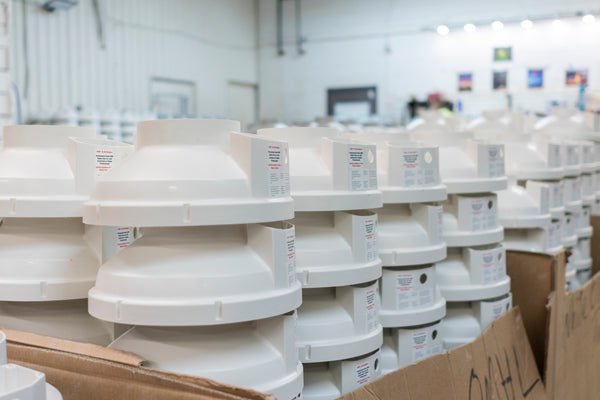
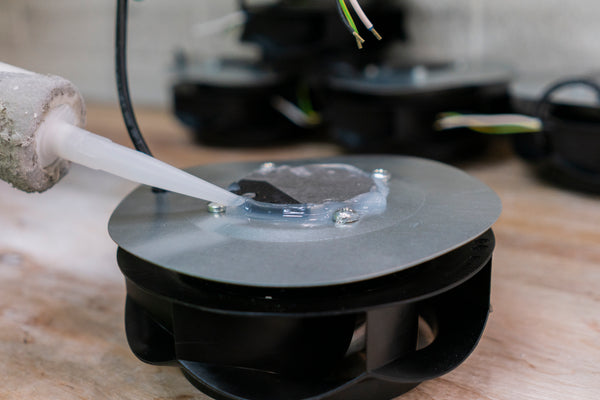
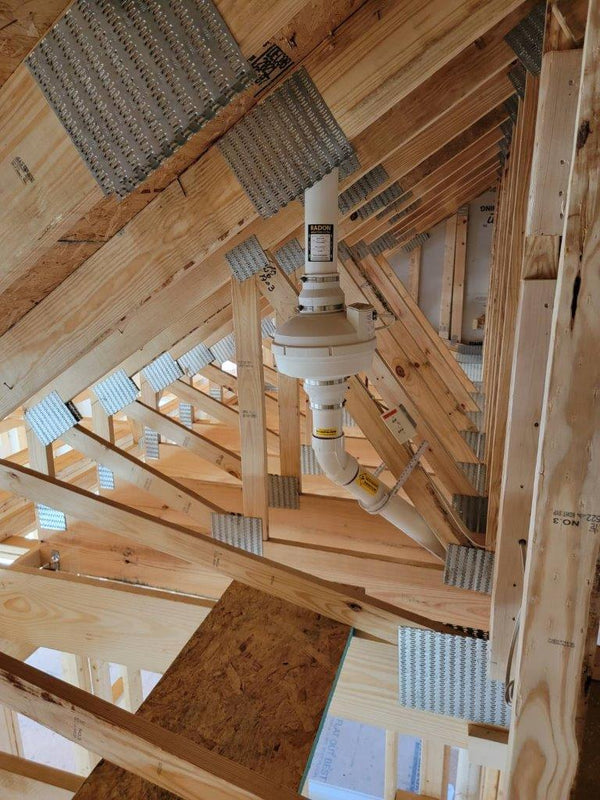
A radon mitigation system works in the background. The fan pulls radon from beneath the home and vents it outdoors before the gas builds up indoors. Because most components run quietly, many homeowners don’t notice the system until something looks or sounds unusual.
Continuous monitoring gives you another way to confirm performance. If readings remain low over time, you gain confidence that the system continues to perform as intended. If readings climb, you have a reason to inspect the fan, piping, manometer, vent discharge area, or power supply.
That feedback helps after installation, maintenance, severe weather, or a power outage. A monitor won’t replace professional service, but it can help you know when to seek help.
4. You Understand Seasonal Patterns
Radon levels often change with the seasons because homes breathe differently throughout the year. In winter, warm indoor air rises and can draw more soil gas into lower levels. In summer, humidity, air conditioning, and closed windows can also influence indoor conditions.
A continuous monitoring system helps you see how your home behaves. One house may show higher readings during freezing weather, while another may spike after heavy rain.
Those patterns help you avoid overreacting to a single unusual reading and prevent you from ignoring repeated trends. When you understand your home’s rhythm, you can make better maintenance and testing decisions.
5. You Support Healthier Lower-Level Living Spaces
Basements, finished lower levels, workshops, laundry rooms, and home gyms often sit closest to the soil. Because radon enters through foundation openings, those areas deserve extra attention. Continuous monitoring helps you track the spaces where families may spend more time than they realize.
This tracking becomes especially helpful when your home life changes. You may convert a basement into a bedroom, office, playroom, or media room. A space that once saw occasional use may become part of your daily routine.
Continuous readings help you align your radon awareness with how you live now. You can place the device in a convenient location, review readings regularly, and act before a lower-level room becomes a long-term concern.
6. You Make Home Projects More Informed
Home improvements can alter airflow and pressure inside a house. New windows, insulation, crawl space work, basement finishing, sump pit changes, and HVAC upgrades can all affect how air moves. Since radon follows airflow pathways, these projects can influence indoor radon readings.
A continuous radon monitoring system provides you with useful before-and-after information. You can review readings before work begins, track changes during the project, and compare results afterward. That context helps you decide whether you need additional testing, mitigation adjustments, or a professional inspection.
This benefit helps homeowners who prefer to improve their homes gradually. Each project can change how the house handles air. Monitoring helps you stay informed as the home evolves.
7. You Know When To Call a Professional
Homeowners don’t need to address every radon concern alone. Continuous monitoring helps you know when readings warrant professional attention. If levels remain elevated, trend upward, or change after system work, a qualified radon professional can inspect the home and recommend the appropriate next step.
A monitor can also help you explain the concern more clearly. You can share when readings rose, how long they stayed elevated, and whether weather or home changes coincided with the increase. That detail helps a professional gain a better context of your home and system.

8. You Create Better Maintenance Habits
Radon mitigation equipment needs attention over time, even when it looks fine from the outside. Fans age, connections loosen, exterior components face weather, and power interruptions can stop system performance. Homeowners who monitor radon regularly tend to notice small issues sooner.
Continuous monitoring can prompt simple habits. You may check the manometer monthly, listen for changes in fan operation, confirm the outlet still has power, and look for obvious damage around exterior piping. These small checks support a more reliable system.
A monitoring system also helps you avoid the set-it-and-forget-it trap. Radon protection works best when homeowners stay aware without feeling overwhelmed.
9. You Gain Peace of Mind Every Day
The biggest benefit may come from the simple act of knowing. Radon feels frustrating because it hides in plain sight. Continuous monitoring takes away some of that uncertainty and replaces it with steady, practical information.
You don’t have to test constantly by hand or wonder what happened after a storm, home project, or long winter. You can review your readings and decide what action makes sense. Some days, that means doing nothing because the numbers look steady. Other days, that means making a call, checking equipment, or scheduling service.
Peace of mind doesn’t come from ignoring radon. It comes from paying attention in a manageable way.
Keep Radon Awareness Simple
Continuous radon monitoring systems benefit homeowners and help them move from occasional snapshots to ongoing awareness. They show trends, support better maintenance, and help families understand how their homes respond to everyday changes. When you pair steady monitoring with proper mitigation and professional guidance, you create a stronger plan for indoor air quality.
Radon doesn’t need to be a daily worry. With the right tools and habits, you can keep the process simple. Check your readings, watch for patterns, maintain your system, and ask for help when the numbers indicate a concern. That steady approach helps you protect your home with confidence.