



Can Sump Pumps Impact Your Health by Releasing Radon?
Most homeowners expect a sump pump to protect the basement from water, not to raise questions about indoor air. Yet the open pit around the pump can connect the basement to soil and drainage channels beneath the foundation. Radon can travel through that route and accumulate indoors, where people may breathe it for years without seeing or smelling it.
The pump itself doesn’t create radon. The opening, surrounding soil, and indoor air pressure create the risk. A secure cover and the right mitigation system can turn that weak point into part of the solution. Continue reading to discover if sump pumps impact your health.
The Real Connection
A sump pump handles groundwater. Radon forms naturally as uranium in rock and soil breaks down. A sump basin often extends below the concrete slab and connects to gravel or drain tile that can carry soil gas.
When the basin remains open, or gaps surround the lid, radon may follow underground pathways into the basement air. The health concern centers on the sump pit and its connection to the ground, not on the pump motor.
Not every home with a sump pump has high radon levels. Homes without sump pumps can also develop high levels through floor cracks, wall joints, service openings, and other foundation gaps. Only testing reveals the home’s radon level.
The Health Risk
Radon affects health through long-term inhalation. As radon breaks down, radioactive particles can settle in the lungs and damage cells. The EPA and CDC identify radon as the second-leading cause of lung cancer in the United States, after smoking.
People who smoke face a higher combined risk, but radon also threatens people who have never smoked. Radon usually causes no immediate smell, irritation, or warning sign. A family can live with high levels for years without noticing anything unusual.
Symptoms can’t reveal whether a sump opening contributes to exposure. A radon test can.

How Gas Enters
Air pressure inside a home often runs lower than the pressure in the surrounding soil. That difference pulls soil gas through cracks, gaps, and other foundation openings. A sump pit without a cover can provide a wide entry route.
Drain tile can extend that route around much of the foundation. The same network that carries groundwater toward the sump may also carry soil gas into the basement. Weather and ventilation changes can shift radon levels over time.
A dry basement can still have a radon problem. The sump pump controls water, whereas a radon system controls soil gas. Each system serves a different purpose.
What Pumping Changes
The pump doesn’t generate radioactive gas when it starts. Groundwater may carry radon, but soil gas usually drives the larger household risk. Homeowners should focus on the pit, lid, pipe penetrations, and nearby foundation gaps.
A loose plywood cover or a basin without a cover rarely provides meaningful air control. Gaps around the discharge line, power cord, backup system, or alarm can let soil gas enter. A working pump can still sit inside a sump setup that needs radon attention.
Don’t unplug, block, or remove the sump pump to address radon. A radon specialist can preserve water control and pump access while improving the air seal.
A Better Sump Cover
A radon-resistant sump cover fits tightly over the basin and seals the perimeter. The installer also seals openings around pipes, wires, and other components. A removable design provides a technician with access for pump repair or replacement without compromising the long-term seal.
The cover must support normal drainage and pump operation. A professional may add a viewing port, an airtight access panel, or airtight fittings for a backup pump and alarm. The layout depends on the basin, plumbing, and mitigation plan.
A tight lid may reduce one entry route, but it can’t reveal the home’s radon level. Soil gas can enter through other gaps. Test after the work to confirm the result.
Sump-Hole Suction
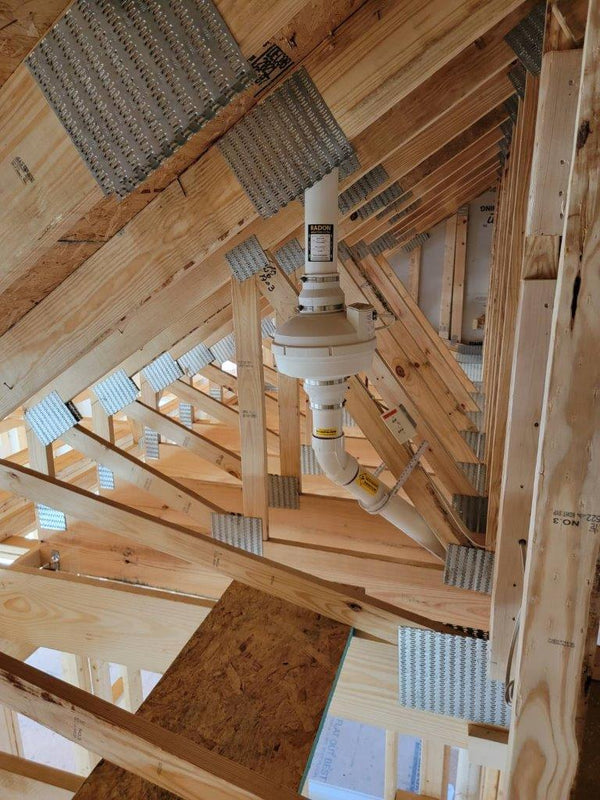
A sump pit can support an active radon mitigation system when the home layout allows it. In a sump-hole suction setup, a radon fan draws soil gas from the sump or a nearby drainage layer and vents it outdoors. An airtight lid prevents the fan from pulling large amounts of basement air into the system.
The vent line needs a stable route, the correct diameter, airtight joints, and a safe discharge point. Installers may use mounting brackets for PVC pipes to secure the line, reduce movement, and keep the installation neat. The fan must match the home's pressure and airflow demands, not just those of the sump basin.
Test Before You Fix
Testing provides the only reliable way to learn the radon level in a home. Follow the device instructions, observe closed-building requirements when they apply, and avoid moving the unit. A short-term test can screen the home, while a longer test can show a broader average.
Test again after mitigation. The follow-up result shows whether the system lowered radon. Continue periodic testing, and test after major remodeling or changes to the foundation, heating system, or ventilation.

Choose the Whole Fix
A good radon plan treats the home as one structure whose air pathways interact. The contractor may seal the sump, close foundation gaps, create a suction point, route PVC piping, install a radon fan, and add a system monitor. The design should control soil gas without interfering with drainage, combustion appliances, or pump service.
Homeowners shouldn’t choose a fan based on appearance or assume that a more powerful fan always performs better. The right fan depends on subslab conditions, airflow, pressure, pipe layout, and the number of suction points. Professional diagnostics help match the equipment to the home.
Check the fan and system monitor regularly, keep the sump access clear, and arrange service when the indicator changes. Outdoor components need weather and impact protection that leaves airflow and service access open.
Protect Your Indoor Air
A sump pump protects your basement from water, but an open sump pit can affect your health by providing radon with another route into the home. Soil, drainage channels, foundation openings, and indoor pressure drive the problem.
Start with a radon test, then address the whole pathway rather than covering the basin with a temporary lid. An airtight sump cover and the right suction system can control soil gas while the pump continues to manage groundwater.
Festa Radon Technologies offers radon fans and radon monitoring products. Explore the available options, and work with a radon professional to select and install equipment that fits your home.