

Frequently Asked Questions About Radon Exhaust Fans
Radon is a colorless, odorless gas that can seep into homes from the ground, posing a significant health risk. Since you cannot see or smell radon, the only way to know if your home has elevated levels is to test for it. If testing reveals high radon levels, a radon mitigation system is essential to protect your family’s health. These systems work to reduce radon levels, and a central component of most of them is a radon exhaust fan.
Understanding how these systems function is key to maintaining a safe home environment. A radon exhaust fan is not just another piece of household equipment; it is a critical safety device that operates continuously to vent harmful gas away from your living spaces. Homeowners often have many questions about these fans, from their operational costs and lifespan to maintenance requirements and installation.
This guide will answer the most common questions about radon exhaust fans. We will cover how they work, what to expect in terms of noise and electricity usage, and what you need to know about installation and maintenance. By the end, you will have a clear understanding of these vital components and feel more confident in managing your home’s radon mitigation system.
What Is a Radon Exhaust Fan?
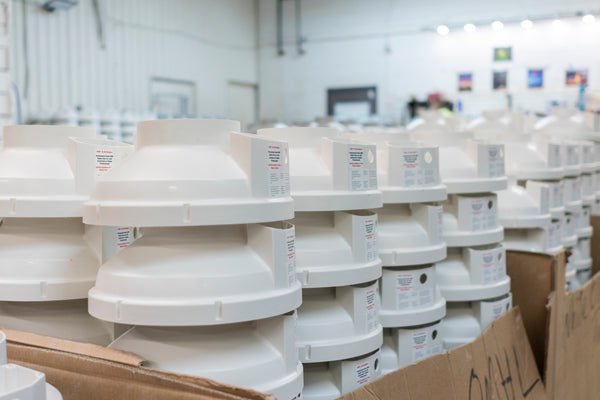
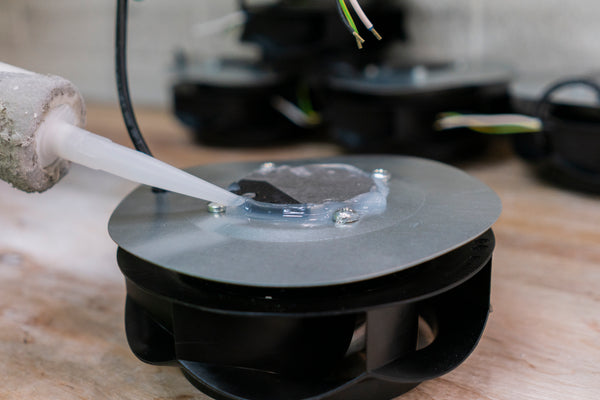
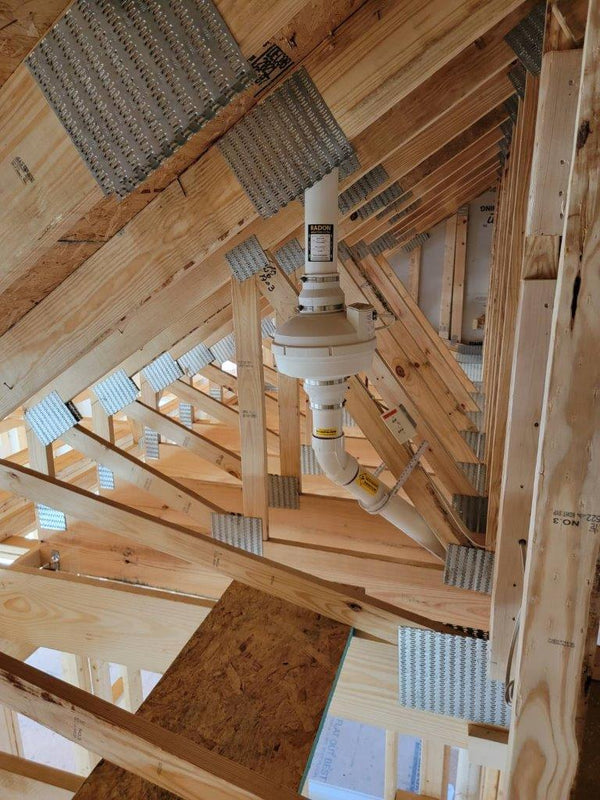
A radon exhaust fan is the engine of an active radon mitigation system. It is a specially designed fan that runs continuously to pull radon gas from beneath your home and vent it outdoors, where it can safely dissipate. Unlike a standard bathroom or attic fan, radon fans are built for continuous duty and engineered to withstand the unique pressures and conditions required for effective radon removal.
Professionals usually install these fans in attics, garages, or on the exterior of a home. The fan connects to a series of pipes that run from the soil under your foundation to a point above the roofline. This setup creates a permanent vacuum in the sub-slab area, effectively capturing radon before it can enter your home.
How Does a Radon Exhaust Fan Work?
A radon exhaust fan works by creating a negative pressure zone, or a vacuum, in the soil beneath your home’s foundation. This process is known as active soil depressurization (ASD). A hole is drilled through the foundation slab, and a PVC pipe is inserted into the ground below. This pipe extends up through the house or along an exterior wall to the radon fan.
The fan pulls air and radon gas from the soil into the pipe. The gas then travels through the piping system and is safely exhausted above the roof, away from windows and other openings where it could re-enter the home. A U-tube manometer is installed on the pipe to provide a visual indication that the fan is operating and creating a vacuum. If the liquid levels in the manometer are uneven, it confirms the system is working correctly. This continuous operation prevents radon from accumulating under the foundation and from seeping into your home through cracks and other openings.

Common Questions About Radon Exhaust Fans
Homeowners often have common questions about the day-to-day operation of their radon exhaust fans. Understanding these details can help you feel more comfortable with your mitigation system.
How Long Do Radon Exhaust Fans Last?
Radon exhaust fans are durable and operate continuously. Most fans have a lifespan of five to ten years, though some may last even longer. The longevity of a fan can depend on several factors, including the specific model, climate, and installation site conditions. For example, a fan exposed to harsh weather may not last as long as one installed in a protected attic space. Many leading radon fan manufacturers offer warranties that typically last for five years, which provides some peace of mind regarding the fan’s durability.
How Much Electricity Does a Radon Exhaust Fan Use?
Radon exhaust fans are energy-efficient because they run continuously. The amount of electricity a fan uses depends on its size and power. On average, a radon fan consumes between 50 and 90 watts of power. This consumption is comparable to leaving a standard incandescent light bulb on continuously. In terms of cost, this usually translates into a modest increase in your monthly electricity bill, typically $4 to $8, depending on your local electricity rates.
Do Radon Exhaust Fans Need Maintenance?
Radon exhaust fans are low-maintenance. They do not have filters that need changing or parts that require regular lubrication. However, it is a good practice to check the system’s manometer periodically to confirm that the fan is still running and creating the necessary pressure. You should also visually inspect the fan and piping every year or so for any visible damage or debris blockages. If you notice any changes in the system’s performance or hear unusual noises, it is best to contact a radon professional for an inspection.
Are Radon Exhaust Fans Noisy?
The noise level of a radon exhaust fan varies by model and location. Fans installed on the exterior of a home may be more audible from the outside, while those in an attic are often barely noticeable from within the living spaces. Most modern radon fans operate quietly, producing a low hum similar to that of a refrigerator. If you hear loud or unusual noises, such as rattling or grinding, it could indicate a problem with the fan, and you should have it inspected by a professional.
Sometimes, in attic installations, builders who pre-pipe the system can fail to secure the pipes properly. This insecure pipe can cause reverberations where it is touching the inside of the walls, which is a common cause of excess system noise.
Can I Install a Radon Exhaust Fan Myself?
While it is technically possible for a homeowner with significant electrical and construction skills to install a radon exhaust fan, it is generally not recommended. Proper installation requires specialized knowledge to select the right fan, determine the best location, and correctly seal all entry points. Mistakes during installation can render the system ineffective or even increase radon levels in your home. For safety and effectiveness, hiring a certified radon mitigation professional is the best option.

Making the Right Choice for a Safe Home
A radon mitigation system is a critical investment in your home’s safety and your family’s health. The radon exhaust fan is the heart of this system, working silently and continuously to protect you from the dangers of radon gas. By understanding how these fans operate and what to expect from them, you can feel confident in your home’s safety.
If you have tested your home and found high radon levels, the next step is to consult with a certified radon mitigation specialist. A professional can assess your home’s specific needs, recommend the right system, and perform a proper installation. Taking action to mitigate radon is a proactive step toward maintaining a healthy living environment for years to come.