



How Does Indoor Air Quality Impact Sleep and What You Can Do
A good night’s sleep is one of the cornerstones of a healthy life. People invest in comfortable mattresses, blackout curtains, and white noise machines, all in the pursuit of uninterrupted rest. Yet, many overlook a critical factor that silently influences sleep quality: the air inside their homes. The air we breathe while we sleep can either support our body’s restorative processes or actively hinder them. Understanding the connection between indoor air quality and sleep is the first step toward creating a healthier home environment that promotes deep, restful nights.
Many people assume the air inside their homes is cleaner than the air outside. Unfortunately, this is often not the case. Indoor environments can trap a variety of airborne particles and gases, sometimes leading to pollutant concentrations that are significantly higher than outdoor levels. These pollutants come from numerous sources, including everyday household products, building materials, and even the ground beneath our homes. When we are asleep, our bodies are still breathing this air, and its quality can have a direct and substantial impact on our respiratory system and overall sleep health. By addressing indoor air quality, you can unlock a powerful tool for improving your nightly rest and, by extension, your daytime energy and well-being.
How Poor Indoor Air Quality Affects Sleep
The air within our homes is a complex mixture of gases and particles. When this mixture contains harmful substances, it can disrupt sleep in several ways. From causing minor irritations to contributing to more significant health issues, poor indoor air quality is a sleep thief that often goes unnoticed. Recognizing the sources of these problems is crucial for creating a healthier sleep sanctuary.

Common Pollutants and Irritants
Air Pollutants
Our homes contain potential sources of air pollution. Common culprits include dust mites, pet dander, mold spores, and volatile organic compounds (VOCs) released from furniture, paint, and cleaning products. These particles can float in the air for hours, and we breathe them in as we sleep. Even seemingly harmless activities can release fine particulate matter into the air. When inhaled, these irritants can trigger allergic reactions, inflammation, and respiratory discomfort, making it difficult to fall asleep and stay asleep.
Radon
Radon is another invisible threat that can compromise indoor air quality. This naturally occurring radioactive gas can seep into homes from the ground, posing a significant health concern. While its primary danger is long-term lung health, high radon levels contribute to the overall pollutant load in a home, degrading the quality of the air you breathe every night. Addressing all indoor pollutant sources, including radon, is a comprehensive approach to creating a healthier living space.
Impact on Respiratory Health
The most direct way poor air quality affects sleep is by compromising respiratory function. When you breathe in airborne irritants, your nasal passages and airways can become inflamed and congested. This inflammation can lead to snoring, coughing, and a stuffy nose, all of which can repeatedly wake you up throughout the night. For individuals with asthma or allergies, the effects are even more pronounced. Exposure to triggers like dust mites or pet dander can lead to more severe respiratory symptoms, making a restful night’s sleep feel nearly impossible.
This constant respiratory stress prevents your body from fully relaxing and entering the deeper, more restorative stages of sleep. You might wake up feeling tired even after a full eight hours in bed, simply because your body was working overtime to breathe. Improving the air you breathe can lighten this load on your respiratory system, allowing you to breathe easier and sleep more soundly.
Disrupted Sleep Cycles
A healthy night’s sleep consists of several cycles, each with distinct stages that are vital for physical and mental restoration. Poor air quality can fragment these cycles. Physical discomfort from respiratory irritation can cause frequent awakenings, pulling you out of deep or REM sleep. Even if you do not fully wake up, your brain may register these disturbances, leading to a lighter, less effective sleep pattern.
This fragmentation means you spend less time in the stages of sleep where your body repairs tissues, consolidates memories, and processes emotions. Over time, this can lead to daytime fatigue, difficulty concentrating, and a weakened immune system. By purifying the air in your bedroom, you create an environment that supports uninterrupted sleep cycles, allowing your body to complete its essential nightly work.
Practical Tips for Improving Indoor Air Quality
Taking control of your home’s air quality does not have to be a daunting task. A few strategic changes can make a significant difference in reducing airborne pollutants and creating an environment conducive to better sleep. By implementing these practical tips, you can actively improve the air you breathe every night.
Invest in an Air Purifier
A high-quality air purifier is an effective device that will improve your home’s air quality. They draw in air, passing it through a series of filters, and releasing clean air back into the room. Look for a purifier with a High-Efficiency Particulate Air (HEPA) filter, which can capture almost all of the airborne particles as small as 0.3 microns. This capture includes dust, pollen, mold spores, and pet dander. Placing an air purifier in your bedroom can create a clean-air zone that significantly reduces your exposure to irritants while you sleep.

Control Humidity Levels
The amount of moisture in the air also plays a role in air quality. High humidity creates an ideal breeding ground for mold, mildew, and dust mites, all of which are common allergens. On the other hand, air that is too dry can irritate your nasal passages and throat. Use a dehumidifier in damp areas like basements and bathrooms to keep humidity levels between 30 and 50 percent, ideally. In drier climates or during winter months, a humidifier can add necessary moisture to the air, helping to soothe your respiratory system.
Use Radon Fan Mounting Brackets and Accessories
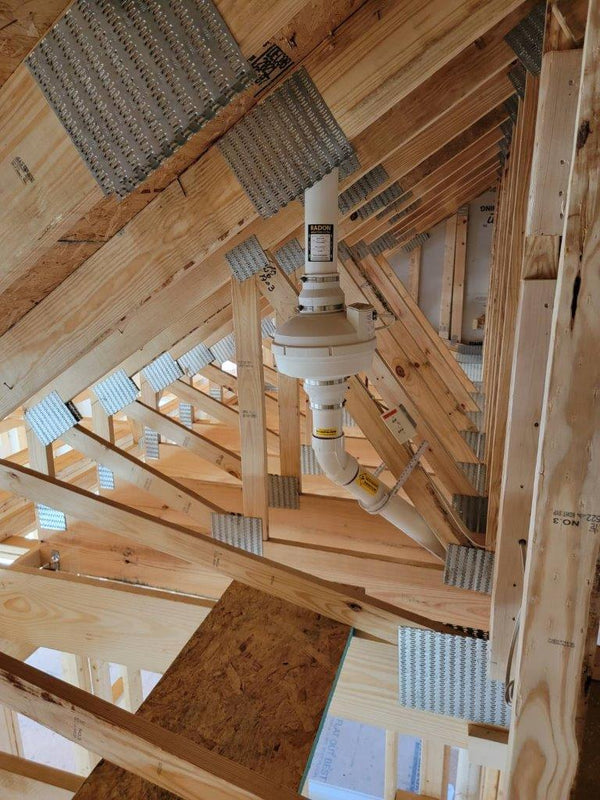
If your home has a radon mitigation system, its proper function is vital for maintaining good air quality. A radon fan continuously vents harmful radon gas from beneath your home to the outside. To perform optimally, you must install the fan securely. A high-quality radon fan mounting bracket provides the stability needed to reduce vibration and noise, helping the system operate efficiently and quietly. Using durable mounting hardware and accessories protects your investment in radon mitigation and contributes to cleaner indoor air, giving you peace of mind as you sleep.
Regular Cleaning and Ventilation
Simple, consistent habits can go a long way in reducing indoor air pollutants. Dusting surfaces with a damp cloth, vacuuming carpets with a HEPA-filtered vacuum, and washing bedding in hot water weekly can drastically reduce dust mite and other allergen levels. Do not underestimate the power of fresh air. Open your windows for at least a few minutes each day, even in colder weather, to allow fresh outdoor air to circulate and push out stale, polluted indoor air. This simple act of ventilation helps dilute indoor pollutant concentrations.
Breathe Easier, Sleep Better
Improving your indoor air quality is a tangible step you can take to enhance your sleep and overall health. By reducing airborne pollutants, you create an environment where your body can truly rest and rejuvenate. Taking actions like investing in an air purifier, managing humidity, performing regular cleaning, and properly maintaining your radon mitigation system can transform your bedroom into a sanctuary for sleep. Prioritizing clean air is an investment in your well-being, one that pays dividends every morning when you wake up feeling refreshed and revitalized.