



How Rain Could Affect Radon Levels in Your Home
Rain can create a cozy day indoors, but it can also change what happens beneath your foundation. When the ground takes on more water, soil conditions shift, air movement changes, and radon may find new paths into a house. That means a stretch of wet weather can sometimes line up with a higher radon reading indoors.
Indoor radon levels can rise and fall for many reasons, including rain. Understanding the connection can help you make sense of changing readings and decide when to take a closer look at your home’s radon levels. Continue reading to discover how rain could affect radon levels in your home.
How Radon Reaches Your Home
Radon forms naturally as uranium breaks down in soil, rock, and groundwater. The gas can move through tiny spaces in the ground and enter a home through openings in the foundation.
Common entry points include foundation cracks, sump pits, floor drains, construction joints, and gaps around pipes. A home can draw in radon when indoor air pressure drops below the pressure in the surrounding soil. That difference can pull soil gas through available openings.
Every home interacts with the ground differently. Soil type, foundation design, weather, ventilation habits, and heating or cooling systems can affect how much radon enters at a given time.
What Rain Does to the Soil
Rain changes the amount of open space available in the soil. During dry weather, air can move through small gaps between soil particles. After heavy or prolonged rain, water fills more of those spaces.
As water takes up that room, soil gas has fewer places to move. Radon may then travel toward drier areas or openings where movement remains possible. If your foundation offers an easier route than the wet soil around it, more radon may move toward the house.
The effect varies by property. Several days of steady rain can create a stronger underground shift than a light shower.

Saturated Ground Can Redirect Radon
Wet soil doesn’t create radon. Instead, it can change the routes radon takes.
When rainfall saturates the ground around a foundation, water can block some natural pathways through the soil. Radon then follows other available routes. Cracks, gaps, sump openings, and other foundation penetrations may provide those routes.
That redirection can explain why a radon monitor sometimes shows a higher reading during or after wet weather. The increase may last for a short period or continue while the ground stays saturated.
Homes with basements or crawl spaces can experience these shifts in different ways. Foundation condition and openings between the home and soil often play a larger role than rainfall alone.
Storms Can Change Indoor Air Pressure
Rain often arrives with changes in wind, temperature, and atmospheric pressure. Those weather shifts can affect air movement inside your home.
Your heating and cooling system, exhaust fans, fireplaces, and other equipment already influence indoor pressure. Storm conditions can add another change. If the home develops lower pressure than the soil beneath it, the house may pull in more soil gas.
Radon can move through very small cracks and gaps, so the process doesn’t require a large visible opening. A foundation that looks solid may still contain pathways that allow soil gas to enter.
Because several weather factors often arrive together, radon levels may fluctuate around a rainy period without one simple cause.
Water Around the Foundation
Heavy rain can reveal drainage problems around a home. Water that collects near the foundation can keep nearby soil saturated for longer periods.
Clogged gutters, short downspouts, poor grading, and drainage issues can direct more water toward the house. That moisture can change soil gas movement near the foundation and may also point to areas that need maintenance.
Keeping water moving away from the foundation can also limit long periods of saturated soil that change how radon moves underground.
If you notice standing water near the house after storms, treat it as a home maintenance concern even if your radon readings stay stable.

Rain Can Affect Crawl Spaces Too
Crawl spaces can respond quickly to wet weather, especially when groundwater, drainage, or exposed soil contributes moisture.
An open or poorly sealed crawl space allows soil gas to move more freely into the area beneath the home. Rain can change pressure and moisture conditions below the floor, which may influence how much radon enters the living space.
A sealed crawl space can reduce direct contact between indoor air and exposed soil, but homeowners still need to watch gaps, penetrations, and system performance. Weather can expose weak points that stay less noticeable during dry periods.
Protect Exterior Radon Equipment
Outdoor radon equipment faces rain, wind, debris, temperature swings, and other conditions throughout the year. Those conditions can add wear over time.
A radon fan cover can help shield exterior equipment from direct exposure while keeping the installation looking cleaner along the side of the home. Festa Radon Technologies offers outdoor cover options for common exterior radon fan installations.
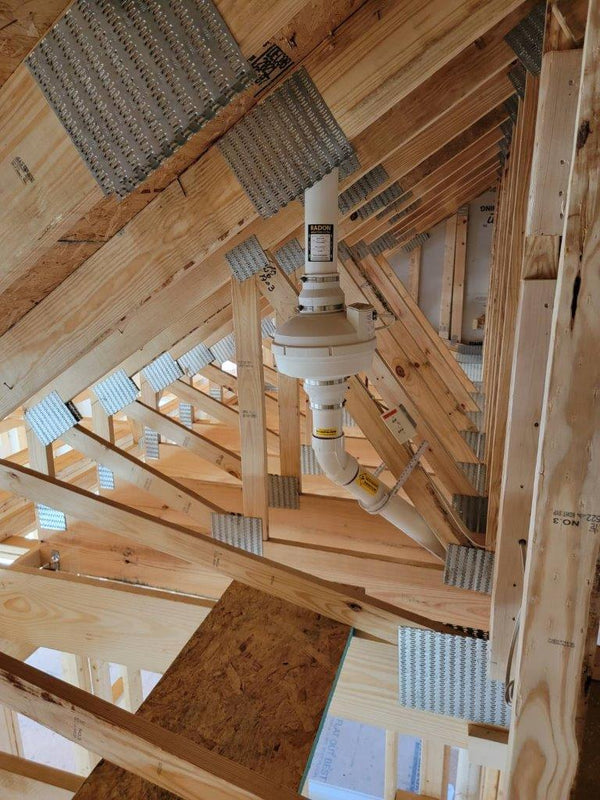
The cover itself doesn’t control indoor radon levels. The fan and the full mitigation system do that work by moving radon from beneath the home and venting it outdoors. Protecting exterior components can support routine system care, especially in areas with frequent rain or harsh seasonal weather.
What Changing Readings Can Tell You
Radon levels can change from hour to hour and day to day. Rain may contribute to a temporary increase, but other conditions can influence the number you see.
A single reading can give you useful information, but repeated measurements show a clearer pattern. Continuous radon monitors make it easier to watch changes over time and compare readings during dry weather, rainy periods, heating season, and other conditions.
If you see a spike after a storm, don’t ignore it. At the same time, don’t assume one short-term increase tells you everything about your home. Look at the broader pattern and follow recommended testing practices when you need a more complete picture.
When Rainy Weather Reveals a Bigger Problem
A temporary increase during wet weather may settle once the ground dries. Repeated or consistently high readings deserve more attention.
If radon levels stay elevated, inspect the home for possible entry points and check any existing mitigation equipment. Cracks, open sump pits, crawl space conditions, disconnected piping, or fan problems can contribute to higher indoor levels.
Homeowners who don’t already have a mitigation system may need professional guidance if testing shows elevated radon. A qualified radon professional can evaluate the home, identify practical options, and recommend a system that fits the property. Weather can influence radon, but don’t dismiss a high reading.
Keep Watching Through Changing Weather
Rain changes the ground around your home, and those changes can affect the way radon moves. Saturated soil, shifting air pressure, drainage conditions, and foundation openings can all contribute to higher readings during or after wet weather.
The best response starts with awareness. Pay attention to your radon levels over time, maintain your home’s drainage and foundation, and check your mitigation equipment regularly if you already have a system.
A rainy week may only cause a short-term change, or it may reveal a pattern that deserves attention. When you understand how weather interacts with radon, you can respond with better information and take practical steps to keep your home safer.