



How To Prevent Radon Exhaust From Freezing Up
Winter brings a host of challenges for homeowners, from drafty windows to frozen plumbing. While most people remember to disconnect their garden hoses, they often overlook a critical component of their home safety infrastructure: the radon mitigation system. These systems work tirelessly year-round to vent harmful gases from your living space, but the extreme temperature drops associated with winter place a unique strain on the equipment. Specifically, the exhaust pipes that protrude from the roof can accumulate ice, leading to complete system blockages.
A frozen system cannot perform this vital function. When the exhaust path freezes shut, radon levels inside the home can spike to dangerous concentrations, often without the homeowner realizing a failure occurred. Understanding the mechanics of why this freezing occurs and taking proactive steps to prevent it remain the best ways to maintain a safe indoor environment throughout the cold season. Here’s how to prevent radon exhaust from freezing up.
The Mechanics of a Frozen Exhaust Pipe
The interaction between the soil gas and the outside air causes the freezing issue. The air beneath your home stays relatively warm, usually around fifty to sixty degrees Fahrenheit, regardless of the season. Furthermore, this soil air contains a high amount of moisture. When the system pulls this warm, humid air up and pushes it through the portion of the pipe exposed to freezing outdoor temperatures, condensation creates a problem.
As the warm air travels through the cold section of the exhaust stack, it cools rapidly. The moisture within the air condenses into liquid water. In a properly functioning system, this water simply drips back down the pipe and drains into the ground. However, during periods of extreme cold, the water droplets freeze before they can drain. The ice creates layers on the inner walls of the pipe, similar to how cholesterol narrows an artery. This process continues until the ice completely seals the opening.
A fully blocked pipe creates serious consequences. The fan continues to run, but the air has nowhere to go. The blockage causes the system to become unusually loud as the fan struggles against the backpressure. More importantly, the vacuum under the slab disappears, allowing radon to re-enter the home. In some cases, the weight of the ice can even damage the pipe or the fan housing itself.

Techniques for Preventing Freeze-Ups
Homeowners can employ several strategies to keep their systems running smoothly during the winter months. These methods focus on maintaining the air temperature inside the pipe or on managing condensation more effectively.
Insulating the Exhaust Pipe
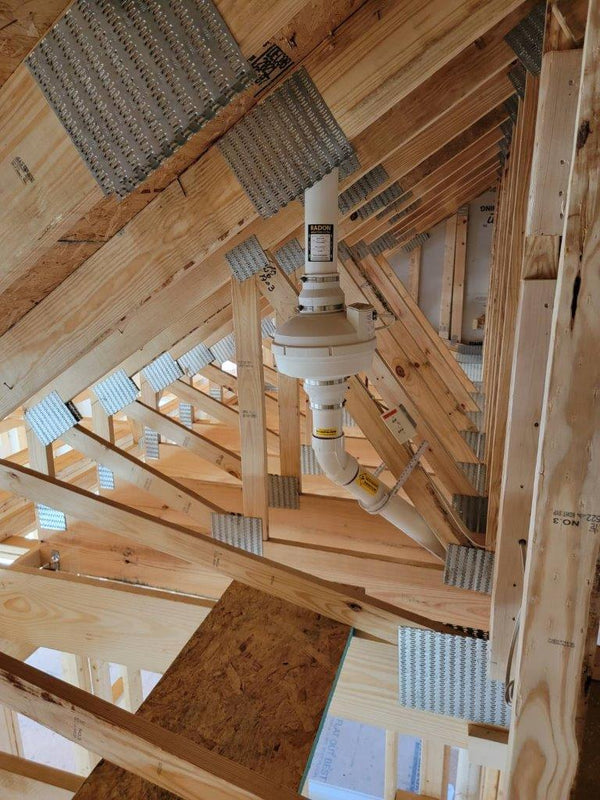
Insulation acts as the first line of defense against the cold. The goal involves keeping the air inside the pipe warm until it exits the building. You should focus on the portion of the pipe located in unconditioned spaces, such as the attic or a garage, as well as the section extending above the roof.
Fiberglass or foam pipe insulation works well for this application. You simply wrap the material around the PVC pipe and secure it with heavy-duty tape or zip ties. By retaining the heat from the soil air, the insulation prevents the moisture from reaching its freezing point before it leaves the system. Protecting the pipe in the attic prevents condensation from starting too early in the run, giving water vapor a better chance of escaping into the atmosphere or draining back down safely.
Installing Heat Trace Cables
For homeowners in climates with severe, prolonged sub-zero temperatures, insulation alone might not prevent freezing. In these scenarios, heat trace cables offer an active solution. These are self-regulating electric heating cables that you attach directly to the exterior of the radon pipe, underneath the insulation.
The cable detects the ambient temperature and generates heat when the mercury drops. This direct application of heat keeps the pipe surface above freezing, effectively preventing ice from bonding to the inner walls. While this method requires an electrical outlet and adds a small amount to your energy bill, it provides the most reliable protection against severe glazing. You must verify that the specific cable you choose carries a rating safe for use with PVC piping to avoid melting or damaging the system components.
Increasing System Airflow
The speed at which air moves through the pipe influences how much it cools. Slow-moving air spends more time in the colder sections of the pipe, giving it more time to lose heat and condense. Increasing the velocity of the air helps it exit the system before it freezes.
Sometimes, the existing fan lacks the power to move air quickly enough through a long or restricted pipe run during extreme cold. Upgrading your unit to one of the more powerful radon blower fans can solve this issue. These high-performance fans maintain higher static pressure and airflow volume. The increased velocity pushes the moist air out of the stack so rapidly that condensation occurs outside the pipe rather than inside it.
Adjusting the Pipe Slope
Gravity plays the most significant role in managing condensation. A properly installed radon system features a pipe that slopes back toward the suction point. This design allows any water that condenses on the pipe walls to drain back through the fan and into the soil.
If the pipe settles over time or if the initial installer failed to establish the correct pitch, water will pool in the horizontal sections of the run. In the winter, these pools freeze solid, creating an instant blockage. You should inspect the accessible parts of your system to confirm that the pipe maintains a consistent upward slope toward the exhaust point. Even a slight dip can create a trap for water. Correcting the pitch often requires adjusting the pipe hangers or straps to restore the necessary angle for drainage.
Emergency Thawing Methods
Despite your best efforts, a system may still freeze during a polar vortex or an unexpected cold snap. If you notice the manometer gauge reading zero or hear the fan making a strange howling noise, ice is likely blocking the pipe. You must act carefully to resolve the issue without damaging the equipment.
You can use a hairdryer or a heat gun on a low setting to gently warm the exposed section of the pipe where the blockage likely occurred. Focus on the area just above the roofline or in the attic. Apply the heat slowly and move the device back and forth to avoid overheating one spot. This process takes time, but it safely melts the ice enough to restore airflow. Once the air starts moving again, the warm soil gas will help soften the rest of the blockage.
Another method involves pouring warm—not boiling—water down the pipe from the roof vent. This warmth melts the ice dam directly. However, this approach requires safe access to the roof, which presents significant risks in winter conditions with snow and ice. Only attempt this if you can do so safely.
You must strictly avoid using open flames, such as blowtorches, to thaw the pipe. PVC releases toxic fumes when burned and can easily melt or catch fire. Furthermore, sudden extreme heat can shatter cold piping. Stick to gentle, slow heating methods to protect your home and the mitigation system.

Maintaining Your Safety
Winter presents the most difficult test for your radon mitigation system. The combination of moisture-laden soil gas and freezing outdoor temperatures creates the perfect environment for ice blockages. However, you possess the ability to counter these forces.
Do not ignore the warning signs of a frozen radon system. A loud fan or a dropped pressure gauge demands immediate attention. Whether you choose to tackle the insulation yourself or hire a professional to upgrade your equipment, taking action now prevents dangerous gas accumulation later. A functioning radon system serves as a vital shield for your health, and maintaining it through the winter protects that shield.