
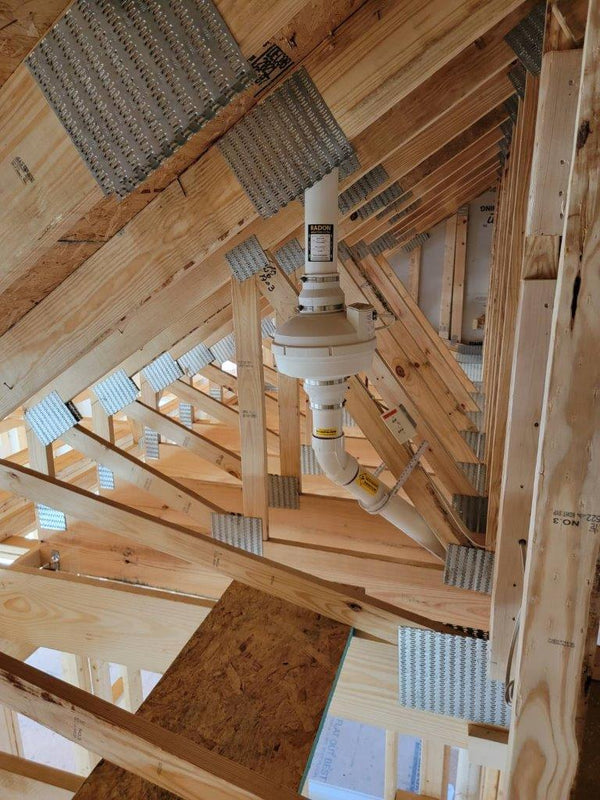

How To Start Your Own Radon Mitigation Business
Radon mitigation can be a strong business for people who enjoy hands-on work, problem-solving, and helping homeowners protect their living spaces. Many homeowners know radon can pose health risks, but they don’t always know what to do after a high test result. That gap creates an opportunity for trained professionals who can explain the process clearly and install reliable systems.
Starting a radon mitigation business takes more than buying tools and booking jobs. You need training, local credentials, reliable equipment, safe installation practices, and a plan to earn trust. When you build the business on the right foundation, you deliver a better customer experience and set yourself up for steady growth.
Learn the Industry First
Before you spend money on equipment, take time to learn how radon enters homes and how mitigation systems reduce indoor levels. Radon typically moves through soil and enters through cracks, gaps, sump pits, crawl spaces, and other openings near the foundation. A mitigation system creates a path that draws radon from beneath the home and vents it outside.
You don’t need to become a building scientist overnight, but you do need to understand foundations, airflow, fan placement, pipe routing, diagnostics, and post-installation testing. Homeowners will expect you to answer basic questions confidently. Clear answers help customers feel comfortable with the work and the investment.
Start by reviewing professional standards, common system designs, and the types of homes in your area. A slab-on-grade home may require a different approach than a home with a basement or crawl space. The more you understand those differences, the better you can estimate jobs and avoid costly mistakes.
Get Certified and Check Local Rules
Radon rules vary by state, so you need to check your state’s requirements before offering services. Some states require a license, while others may require national certification, continuing education, insurance, or registration with a state radon office.
Even when your state doesn’t require certification, professional credentials can help you earn trust. Many homeowners seek trained radon professionals because they want the job done correctly. Certification also provides a structured path to learn mitigation standards and best practices.
You should also choose a clear business structure. Many new owners form an LLC, apply for a tax ID, open a business bank account, and consult an insurance agent about liability coverage. You may also need local business permits, contractor registration, or sales tax guidance. A local accountant or attorney can help you avoid problems before your first job.
Build a Practical Business Plan
A simple business plan gives you direction. You don’t need a thick document, but you should know who you want to serve, what services you’ll offer, how much you’ll charge, and how you’ll reach customers.
Start with your service area. You might initially serve one city, then expand into nearby counties as your schedule fills. Next, define your core services. Many radon businesses offer mitigation system installation, diagnostic testing, system inspections, fan replacement, and repair services.
You also need to price your services carefully. Your rates should cover materials, labor, insurance, travel, marketing, taxes, training, and future equipment replacement. Low prices may help you book a few jobs, but thin margins can drain your business quickly. Set prices that support quality work and long-term service.

Choose Reliable Equipment
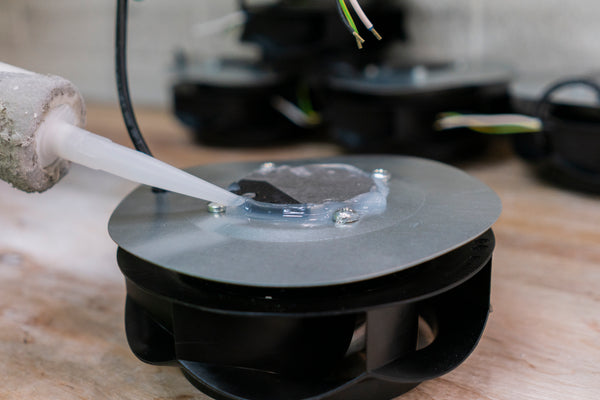
Your equipment choices will shape your daily workflow and reputation. You’ll need pipe, fittings, sealants, suction-point tools, manometers, electrical supplies, mounting hardware, safety gear, and radon fans. You’ll also need a dependable vehicle that can carry materials without turning every job into a packing puzzle.
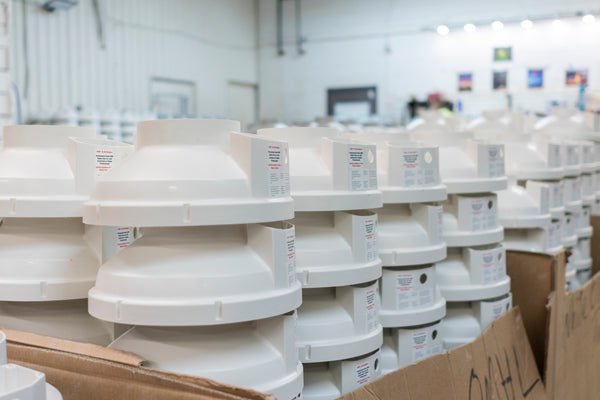
When comparing radon fan manufacturers, look for product reliability, fan sizing options, warranty support, and clear installation information. A strong fan lineup helps you match the system to the home rather than forcing one product into every job. For example, Festa Radon Technologies offers radon fans and related products for professionals and homeowners who need dependable system components.
Don’t buy the cheapest materials just to lower your startup costs. Poor parts can create noise issues, callbacks, and customer complaints. Reliable materials help you install systems that look clean, run well, and hold up over time.
Practice Clean Installation
Homeowners care about performance, but they also care about how the system looks. A clean installation can set you apart from rushed competitors. Straight pipe runs, neat exterior routing, sealed penetrations, tidy wiring, and thoughtful fan placement all help customers feel confident in the work.
You should also protect the home while you work. Use drop cloths, clean up dust, remove debris, and explain any changes before making them. A homeowner may not understand every technical detail, but they’ll notice whether you treated the home with respect.
Good installation habits also reduce callbacks. When you take time to diagnose the home, seal key openings, select the right fan, and verify system operation, you create fewer problems later. That saves time and protects your reputation.
Set Up Your Service Process
A smooth process makes your business easier to run. Start with the first phone call or website inquiry. Ask clear questions about the home, radon test results, foundation type, sump pit, crawl space access, and any existing mitigation system.
Next, schedule an on-site evaluation when needed. During the visit, explain what you see in plain language. Homeowners don’t need a lecture. They need to understand the problem, the proposed solution, and the next step.
After installation, walk the customer through the system. Show the fan location, explain the manometer, review maintenance basics, and recommend follow-up testing. This simple walkthrough builds trust and reduces confusion after you leave.
Market With Trust
Radon mitigation works well as a local service business because customers often search when they have an immediate need. Your website should explain your services, service area, credentials, and contact process. Keep the language simple, helpful, and focused on homeowner concerns.
Local SEO can help customers find you when they search for radon mitigation near them. Create pages for your main services and service areas. Add photos of clean installations, answer common questions, and make your phone number easy to find.
Reviews also play a major role. After each successful job, ask happy customers to leave a review. Don’t pressure them. Just make the process easy and thank them for their time. Strong reviews can help new customers feel more confident before they call.

Build Vendor Relationships
Good vendor relationships can keep your jobs moving. You need access to fans, covers, pipe, fittings, sealants, monitors, and accessories without constant delays. When you work with dependable suppliers, you can schedule jobs with more confidence.
A strong supplier can also help when you have product questions. As your business grows, you may need different fan models, exterior accessories, or replacement parts. Reliable support can save you time and help you make better product decisions.
Inventory planning also matters. Keep common materials on hand so you don’t lose a workday to a missing fitting. Track what you use most often and reorder before supplies run low.
Keep Learning
Radon mitigation rewards people who keep improving. Every home teaches you something about airflow, foundations, customer communication, or project planning. Pay attention to what goes smoothly and what slows you down.
Continuing education can help you stay current with standards and better installation methods. You can also learn from other professionals, supplier resources, and field experience. The goal isn’t to know everything right away. The goal is to improve every month.
You should also track your numbers. Review job costs, close rates, travel time, callbacks, and customer feedback. Those numbers show you where the business needs attention.
Start Strong and Grow Carefully
Starting your own radon mitigation business can give you a practical path into a needed trade. Homeowners need professionals who can explain radon clearly, install dependable systems, and treat each home with care. When you combine training, reliable products, clean workmanship, and honest communication, you give your business a real chance to grow.
Take the first steps with patience. Learn the rules in your state, build your skills, choose quality equipment, and create a process that customers can trust. A strong start can help you build a business that serves homeowners well and earns repeat referrals over time.