



Is Radon Testing Necessary if You Don’t Have a Basement?
Many homeowners associate radon with basements because basements sit below ground and often come up in conversations about radon. That association can create a misleading assumption. A home without a basement can still allow radon to enter and accumulate indoors. So, is radon testing necessary if you don’t have a basement?
Radon comes from the natural breakdown of uranium in soil and rock. The gas can move through the ground and enter a house through openings near the foundation. Because every home interacts with the ground differently, the absence of a basement doesn’t rule out elevated radon levels.
If your home sits on a slab or over a crawl space, testing still gives you useful information about the air your household breathes.
Radon Doesn’t Need a Basement
A basement can provide an entry point for radon, but radon doesn’t require a basement to enter indoor air. The gas moves through soil and follows available pathways into a structure. Small cracks, gaps around pipes, construction joints, and other foundation openings can provide radon with a route inside.
Air pressure can also influence that movement. When indoor air pressure drops below the pressure in the soil beneath a home, the house can draw soil gases into interior spaces. That process can affect a slab-on-grade home just as it can affect a house with a basement.
Foundation design changes the route radon may take. It doesn’t eliminate the need to determine what level exists inside your home.

Slab Homes Can Still Have Radon
A slab-on-grade home may appear well separated from the soil because a concrete floor sits between the living space and the ground. However, concrete can develop cracks, and builders create openings for plumbing or utility lines. Joints around the slab can also provide pathways for soil gas.
Radon can move through those openings and enter rooms directly above the slab. Once it reaches the indoor environment, normal building conditions can allow the gas to accumulate.
You can’t judge radon risk by looking at the slab. A clean floor or a tightly sealed home doesn’t tell you the radon level. New construction doesn’t reveal it either. A test gives you a direct reading rather than relying on the house’s appearance or age.
Crawl Spaces Create Their Own Pathways
Homes with crawl spaces also need radon testing. Soil beneath a crawl space can release radon just as soil beneath a basement or slab can. Open soil, foundation gaps, floor penetrations, and air movement between the crawl space and living areas can all affect how radon travels.
Some homeowners assume crawl space vents solve the problem by circulating outdoor air. Ventilation may change conditions in the crawl space, but it doesn’t tell you how much radon reaches the rooms above. Weather and pressure changes can influence indoor levels over time. How your home handles air can also affect the result.
Your Location Doesn’t Tell the Whole Story
Radon potential varies by region, but a map can’t predict the level in a specific house. Two nearby homes can have different radon readings because soil conditions, foundation details, air movement, and construction features vary from property to property.
That difference makes individual testing important. A neighbor’s low result doesn’t confirm that your home has a low level. A home in an area with lower expected radon potential can still produce a result that warrants attention. The only practical way to understand your home’s radon level is to test the air inside it.
Where Should You Test?
If your home doesn’t have a basement, place the test in the lowest level that you use or could use as living space. In many homes, that means the first floor. Choose a room where people spend time, such as a bedroom or family room.
Follow the instructions that come with the test method you choose. Device placement can affect the reading, so keep the test away from strong drafts and high heat when the instructions call for those precautions. Avoid areas with excessive moisture as well.
A professional can also help you select the right location if your home has multiple foundation types or an unusual layout.

Short-Term and Ongoing Testing
Homeowners can choose from several approaches to radon testing. Short-term tests provide a snapshot over a limited period. Longer tests give a broader view because radon levels can change with weather and seasonal conditions.
A radon monitoring device can help homeowners track changes over a longer period and see how readings move from day to day. That information can prove useful when you want more context than a single short test provides.
No test method can make radon disappear, though. Testing tells you what’s happening so you can decide whether you need the next step.
When Should You Test Again?
One radon test doesn’t have to be the final word for a home’s lifetime. Home conditions change. Renovations can alter airflow or create new foundation openings. Changes in how you use the home can also shift which areas deserve attention.
Retesting also makes sense when you move into a home or prepare to sell. It also helps when you start using a lower level more often. Regular testing gives you updated information rather than asking you to rely on an old result.
What Happens if the Level Is High?
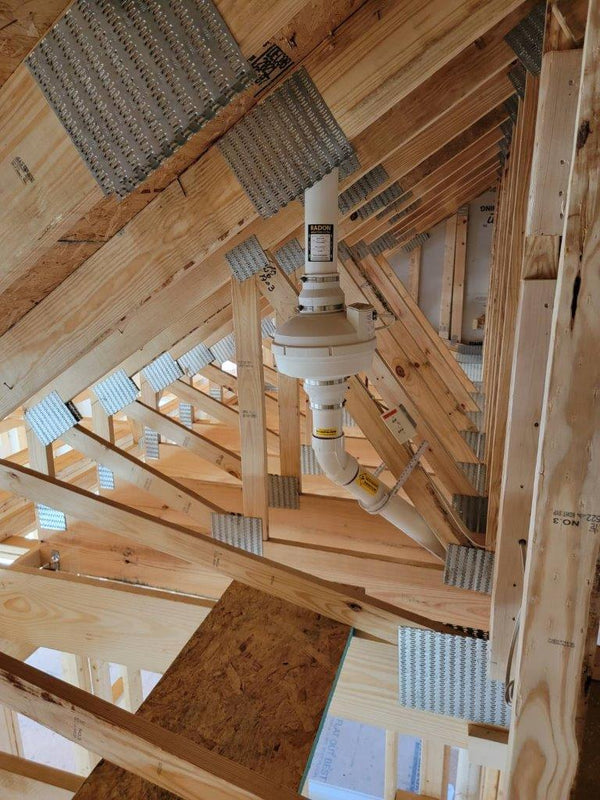
A high reading doesn’t mean you need to panic. It means you have useful information and can take action. The EPA recommends mitigating a home when its radon level reaches four pCi/L or higher. Radon mitigation systems reduce indoor radon by collecting soil gas beneath or around the home and venting it outdoors before it enters living spaces.
The exact approach depends on the foundation. A contractor may use sub-slab depressurization for a slab home or address soil gas beneath a crawl space using a sealed membrane and venting system.
A qualified radon professional can evaluate the home and recommend an appropriate setup. The professional can also explain what the system requires for continued operation. After installation, testing can show how indoor levels respond.
Don’t Let the Foundation Decide
A basement may increase awareness about radon, but it doesn’t define whether a home needs testing. Slab homes and crawl space homes still connect with the soil, and radon can use openings near the foundation to move indoors.
Testing gives you information you can use. It replaces assumptions about foundation type or home age with a result from your own living space.
If you haven’t tested because your house doesn’t have a basement, that shouldn’t stop you. A simple radon test can help you understand your indoor air quality and decide whether your home needs further attention.