

The History of Radon and When It Became a Big Deal
Radon didn’t become a household word overnight. For a long time, people knew more about smoke, mold, asbestos, and lead than about the invisible gas that could accumulate beneath a home. Radon has no smell, color, or taste, so it didn’t announce itself in obvious ways. That quiet presence helps explain why the story of radon took so long to move from science labs and mines into everyday conversations about home safety.
Today, homeowners discuss radon testing during real estate transactions, renovations, and indoor air quality upgrades. Builders, inspectors, and mitigation professionals also regard it as a serious part of home health. That shift stems from decades of discovery, worker safety concerns, public messaging, and improved testing tools. Continue reading to learn more about the history of radon and when it became a big deal.
Radon’s Early Scientific Roots
Scientists first linked radon to the natural breakdown of uranium and radium. These elements are found in rock and soil, and their decay can release radon gas. Because radon comes from the ground, it doesn’t require a factory, spill, or obvious source to enter a building. It can rise through soil and enter homes through cracks, gaps, sump openings, crawl spaces, and other pathways.
Early researchers focused on the gas’s radioactive properties, not on the average house. At the time, radon was more a subject of chemistry, physics, and mining than of homeownership. Those who worked with radioactive materials or underground minerals had a stronger reason to understand it. The typical homeowner had little reason to think about a gas that no one could see.
That gap between scientific and public awareness shaped radon’s history. Experts knew the gas existed, but most families didn’t know how it could affect their homes. The science came first, and the public conversation followed much later.
The Mining Connection
Radon first drew serious attention because of underground mining. Miners could inhale concentrated radon and its decay products in enclosed spaces with limited ventilation. Over time, worker safety professionals began to pay closer attention to air quality in mines, especially uranium mines.
Mining helped experts understand that radon wasn’t just a laboratory curiosity. It could affect people who breathed it day after day. That realization pushed radon into worker safety discussions before it reached homeowners.
Still, a mine and a house seem like very different places. Many people assumed radon was underground, not in living rooms, basements, and bedrooms. That assumption delayed broader public concern. The country needed a clear residential example before radon became part of everyday home safety.

A Pennsylvania Home Changed the Conversation
In the 1980s, radon moved from a specialized concern to a national topic because of a striking case in Pennsylvania. A worker at a nuclear power plant triggered radiation alarms even though the plant had not begun operating with nuclear fuel. The source didn’t come from the workplace. Investigators traced the issue to his home, where radon levels reached extremely high levels.
That event challenged what many people thought they knew. A regular home could contain high radon levels. A family could live with that exposure without any smell, stain, sound, or visible sign. The gas could come from natural geology beneath the house, not from a nearby industrial site.
Pennsylvania played an important role in this part of the story. The case prompted public agencies, home inspectors, builders, and families to take residential radon more seriously. It also underscored why testing matters. Without a test, a home could look normal yet still have a radon problem.
Why Radon Became a Home Safety Issue
Radon became a bigger concern once people understood how easily it could accumulate indoors. Outdoor air usually dilutes radon, but enclosed buildings can trap it. Basements, crawl spaces, slab foundations, and lower living areas can provide pathways for soil gas to enter.
A home’s age doesn’t provide a complete answer. New, old, large, and small homes can all have elevated radon levels. Neighboring houses can show different results because soil conditions, foundation details, and airflow patterns can vary from one property to the next.
That unpredictability made testing the central message difficult. Homeowners couldn’t rely on a neighborhood average, a visual inspection, or a guess based on home style. They needed a direct reading of their own indoor air.
Testing Brought Radon Into Daily Life
Public awareness grew as radon testing became something homeowners could handle. Early conversations about radiation sounded intimidating, but a test kit or digital monitor offered a practical first step. Testing transformed radon from an abstract risk into a measurable condition.
Real estate also helped push radon into the mainstream. Buyers wanted to know whether a home had elevated levels before closing. Sellers needed answers before negotiations began. Inspectors added radon testing to broader home evaluations in many markets.
Testing also gave homeowners a way to act without panicking. A high result didn’t mean a home had failed. It meant the homeowner needed a reduction plan. People needed clear information and reliable next steps more than fear.
Mitigation Made the Problem Solvable
Radon became a bigger deal because homeowners learned that they could reduce it. If testing only revealed a problem with no practical fix, many people might avoid the subject. Mitigation changed that pattern.
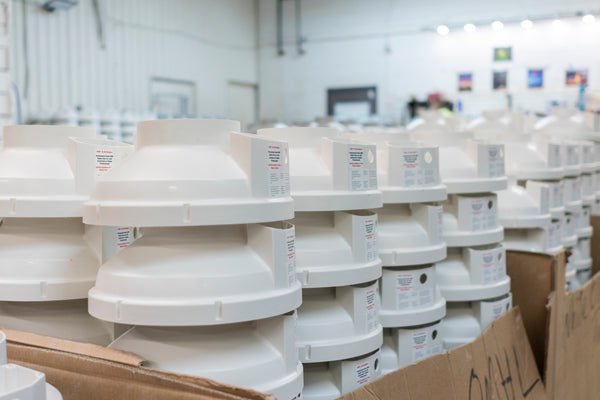
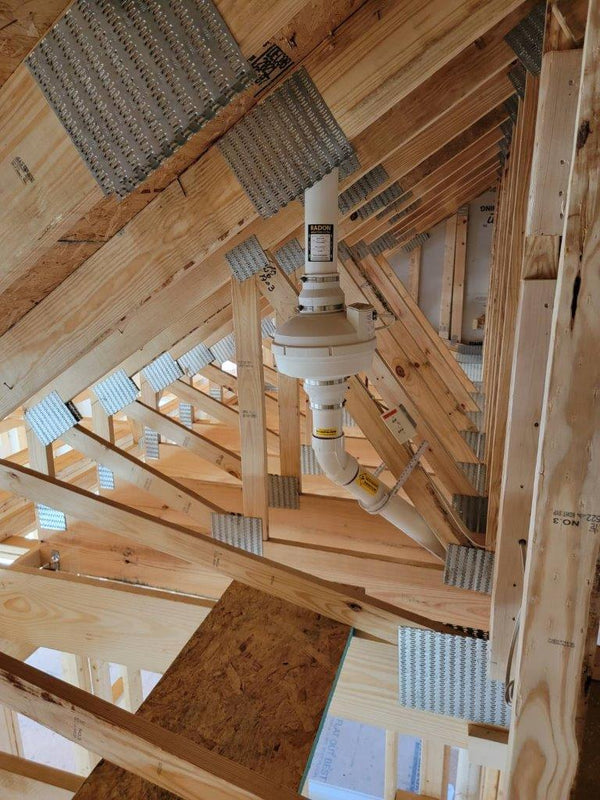
A typical radon mitigation system uses a fan and piping to draw soil gas from beneath the home and vent it outdoors above the roofline. Professionals select the design based on the foundation, entry points, and the structure of the house. The right setup can reduce indoor radon levels and promote healthier indoor air.
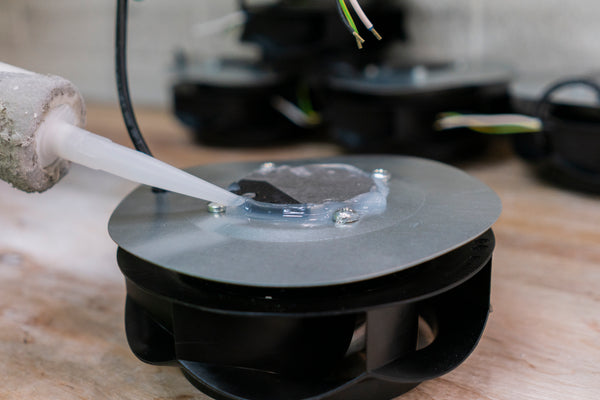
As the industry grew, radon mitigation equipment became more specialized and easier to tailor to different home conditions. Fans, monitors, couplings, pipe components, sealants, and mounting materials helped professionals build reliable systems. Homeowners didn’t need to become experts in every part, but better equipment helped make mitigation a standard home improvement solution.

Public Awareness Kept Growing
Radon awareness didn’t peak with a single case or campaign. It grew through public messaging, real estate practices, state programs, professional standards, and word of mouth. Families discussed test results. Contractors fielded more questions during renovations and basement projects.
The indoor air quality conversation also expanded. People started thinking more about what they breathed at home, especially in spaces where they spent long hours. Radon fits naturally into that broader concern because it affects indoor air without giving clear warning signs.
A Hidden Gas Became a Practical Priority
The history of radon shows a clear shift from scientific discovery to everyday home safety. Researchers first understood the gas through studies of radioactive decay and mining concerns. Then, a Pennsylvania home helped the public see that radon could affect ordinary houses, not just underground workplaces. Testing and mitigation turned that awareness into action.
Radon became a big deal because it combines three important traits. It can enter homes naturally, people can’t detect it with their senses, and homeowners can take practical steps once they know their levels. That mix still makes radon worth attention today.
For families, the takeaway stays simple. You don’t need to know every chapter of radon’s history to protect your home. You need to recognize why the issue gained attention, test your indoor air, and respond with the right solution when your home calls for it.