


The Structural Importance of Concrete Repairs in Homes
Concrete gives a home much of its strength, but homeowners often overlook it until a crack, gap, or uneven surface draws their attention. Some concrete damage affects only appearance, while other problems can indicate movement in the foundation or surrounding soil. Recognizing the difference helps homeowners respond before a small repair becomes a more complicated project.
Concrete also plays a major role in separating indoor spaces from the ground beneath and around a home. Cracks and openings can affect moisture control, air movement, and the stability of nearby materials. Timely repairs help homeowners protect both the structure and the living space above it. Keep reading to understand the structural importance of concrete repairs in homes.
Why Concrete Cracks
Concrete can develop cracks for several reasons. The material naturally changes as it cures, and normal shrinkage can create narrow surface cracks. Seasonal temperature changes can also cause concrete to expand and contract.
Soil movement can place additional pressure on foundation walls and slabs. Dry conditions may cause soil to shrink away from the foundation, while heavy rainfall can cause certain soils to expand. These changes can create uneven pressure on concrete and contribute to cracking.
Water creates another concern. Moisture can enter existing openings and expose concrete to repeated wet and dry conditions. In colder climates, water inside a crack can freeze, expand, and make the opening larger over time.
Small Cracks Can Change
A thin crack may stay stable for years, but homeowners shouldn’t assume every crack will remain unchanged. Concrete responds to conditions around the home, including soil movement, drainage, temperature, and moisture.
Homeowners can monitor visible cracks and note changes in width or length. A crack that grows, reappears after repair, or develops alongside other changes may need professional attention. Doors that begin sticking or floors that develop a noticeable slope can provide additional clues that movement has occurred.
Location also provides useful information. Cracks around windows, foundation corners, or wall openings may deserve closer inspection because those areas can experience concentrated stress.

Repairs Help Preserve Support
Foundation walls transfer loads from the home into the ground. Slabs also support interior spaces and provide a stable surface for flooring, walls, appliances, and other features. Damage can impair the performance of those components.
Repair methods vary by the type and cause of the damage. A contractor may fill a stable crack, reinforce a damaged area, or recommend changes to address the source of ongoing movement. Treating the cause helps prevent repeated repairs.
Homeowners should avoid assuming that every concrete repair requires the same product or technique. A narrow shrinkage crack requires a different approach than a foundation wall that has shifted. Proper evaluation helps match the repair to the condition.
Water Can Worsen Damage
Water often contributes to concrete problems around a home. Poor grading can direct rain toward the foundation instead of carrying it away. Clogged gutters and short downspouts can create similar problems by concentrating water near foundation walls.
Repeated moisture exposure can contribute to deterioration and expand existing openings. Water may also enter basements or lower-level rooms through cracks. Damp conditions can damage finishes and create uncomfortable indoor spaces.
Homeowners can support concrete repairs by correcting drainage problems near the foundation. Extending downspouts, maintaining gutters, and improving grading can reduce unnecessary water exposure. These steps can help repaired areas remain more stable.
Openings Can Affect Radon Entry
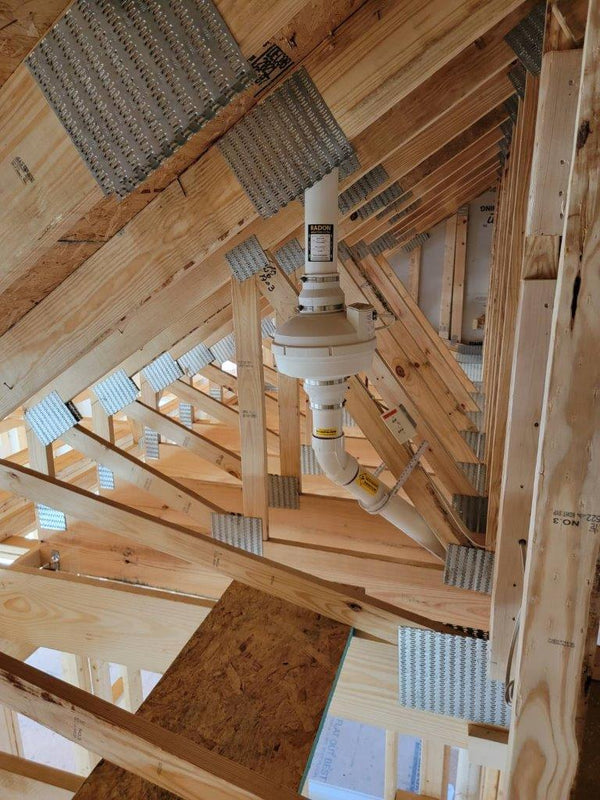
Concrete cracks can affect more than just structural performance and moisture control. Radon can move from the soil into a home through cracks and other openings in foundation floors and walls. Pressure differences between indoor air and the soil beneath the home can encourage that movement.
Sealing accessible openings can support a broader radon reduction strategy. Homeowners or mitigation professionals may use products such as a radon-blocking concrete sealer when the product is appropriate for the surface and application. Sealing can reduce available pathways, but homeowners shouldn’t rely on it alone when a home has elevated radon levels.
Radon testing provides the information needed to understand indoor radon levels. If testing shows a problem, a qualified radon professional can recommend an appropriate mitigation approach based on the home’s construction and conditions.
Timing Can Limit Additional Damage
Delaying concrete repairs can allow existing problems to progress. Water may continue entering a crack, or soil movement may place more stress on a damaged section. Nearby finishes may also develop damage as the underlying concrete changes.
Early attention gives homeowners more options. A contractor may address a stable crack with a relatively straightforward repair before the opening grows. Waiting until substantial movement occurs can require a more involved solution.
Homeowners don’t need to panic whenever they see a crack. They do need to pay attention to changes. Taking photos and recording approximate measurements can help track visible movement over time.
Professional Evaluation Has Value
Some concrete repairs fall within the abilities of experienced homeowners, especially when the damage remains superficial. Structural concerns require a different approach. A qualified professional can examine the crack pattern and surrounding conditions before recommending repairs.
Homeowners should consider professional evaluation when cracks widen quickly, foundation walls bow, or sections of concrete shift out of alignment. Similar attention may help when doors and windows suddenly stop operating normally. These changes can point to movement that simple crack filling won’t correct.
A professional can also identify drainage or soil conditions that may contribute to repeated damage. Repairing concrete without addressing the cause can leave the home vulnerable to the same problem.

Different Repairs Serve Different Needs
Concrete repair products perform different jobs. Some materials fill small cracks, while others seal joints or protect porous surfaces. Structural reinforcement techniques address more significant movement or deterioration.
Surface preparation plays an important role in many repairs. Dirt, loose concrete, moisture, or old coatings can prevent repair materials from bonding properly. Following product instructions helps homeowners avoid premature failure.
Homeowners should also remember that cosmetic improvement doesn’t always solve an underlying structural concern. Covering a crack may improve its appearance while leaving the cause untouched. Understanding why the crack formed leads to a more useful repair plan.
Maintenance Supports Long-Term Results
Concrete needs ongoing attention even after repairs. Homeowners can inspect foundation walls, basement floors, garage slabs, and exterior concrete during routine property maintenance. Regular checks make new changes easier to spot.
Drainage deserves similar attention. Gutters can clog, soil can settle, and landscaping can change how water moves around a home. Correcting those conditions can reduce stress on foundation concrete.
Homeowners should also keep records of significant repairs. Photos, contractor documents, and notes about previous cracks can provide helpful context if new concerns appear later.
Protecting the Home From the Ground Up
Concrete may look simple, but it carries important responsibilities throughout a home. Foundation walls and slabs support the structure while helping separate living spaces from soil, moisture, and soil gases.
Concrete repairs are important for the structural integrity of homes. Homeowners who respond to concrete damage early can often prevent additional structural damage and gain a clearer picture of conditions around the foundation. Careful inspection, proper repair methods, and good drainage practices can help preserve the home’s stability.
A crack doesn’t always signal a serious structural problem, but it deserves attention. Understanding where the damage came from and choosing the right response can help homeowners protect one of the most important parts of their property.