


What Is a Sub-Slab Radon System, and Is It Important?
Radon doesn’t come with a warning sign. You can’t see, smell, or taste it, but it can move from the soil beneath a home into the air inside. That makes it easy for homeowners to overlook, especially when everything in the house seems normal. Still, radon can become a serious indoor air issue when it builds up over time.
Many people associate radon with basements, but homes built on slabs can face the same problem. A concrete slab may look solid and sealed, yet it still sits directly over the ground. If radon rises through the soil and finds small openings around the slab, it can enter the home and build up indoors. That’s where a sub-slab radon system becomes important. It targets the gas below the home before it spreads throughout the living space.
How Radon Gets Into a Slab Home
A slab foundation does not block all soil gas. Concrete can crack, shrink, or shift over time, and even a newer slab may have joints, gaps, and penetrations that provide entry points. Openings around plumbing lines, drains, utility penetrations, and control joints can all allow radon to escape from the soil.
Air pressure also influences how radon enters a home. When the inside pressure drops below the soil pressure, the house can draw gases from the ground. Although this pressure difference may seem small, it significantly affects radon movement. Warm air rising inside the home, exhaust fans operating in kitchens and bathrooms, and regular HVAC use can all contribute to this pressure imbalance.
Due to those conditions, slab homes can also have radon problems similar to homes with crawl spaces or basements. That’s why homeowners shouldn’t assume their foundation type keeps them safe. Testing remains the only reliable way to determine if radon levels require action.
What a Sub-Slab Radon System Does
A sub-slab radon system lowers radon levels by capturing soil gases beneath the slab and venting them outside. Instead of letting radon seep through small cracks in the floor, the system intercepts it below the concrete and directs it away from the home.
Most professionals call this method sub-slab depressurization. The name highlights the system’s main function: it creates lower pressure beneath the slab than inside the house. This pressure difference causes soil gases to move toward the mitigation system instead of escaping through cracks and openings in the floor.
In simple terms, the system creates an easier pathway for radon. Instead of entering the home, the gas moves into the piping and exits above the roofline, where it can disperse outdoors. That source-focused method makes sub-slab systems one of the most effective solutions for homes with slab foundations.

The Main Parts of the System
A sub-slab radon system may look simple from the outside, but each part serves a specific purpose. The installation usually starts with a suction point through the slab. The contractor creates an opening and removes some material beneath the concrete to form a small pocket where air can move more freely. That area helps the system pull gases from beneath a broader section of the slab.
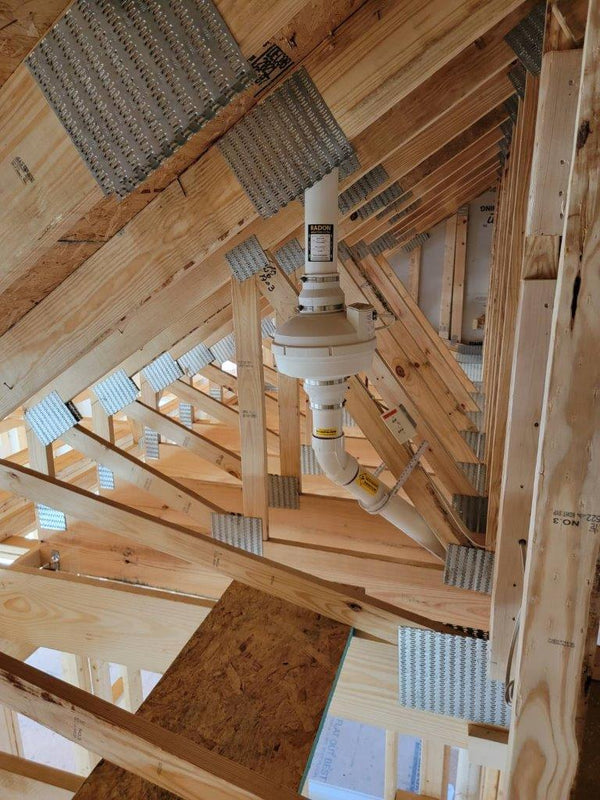
PVC piping connects the suction point to a vent route that carries radon out of the home. Installers choose the pipe path based on the layout of the property, the structure of the house, and the goal of keeping the system effective without making it overly intrusive. In some homes, the pipe runs through an interior wall or attic. In others, it runs along an exterior wall.
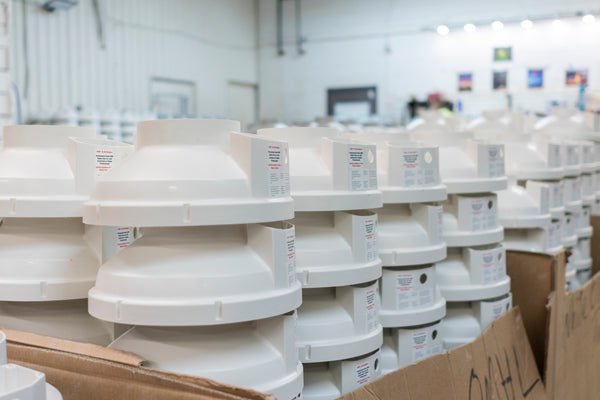
The fan drives the system. It runs continuously and creates the suction that pulls radon from the soil below the slab. Contractors place the fan outside the main living space, often in an attic, garage area, or exterior location. Once the fan draws the gas into the piping, the vent discharges it above the roofline.
The system may also include a monitoring device that shows whether the fan continues to operate correctly. That gives homeowners a simple way to confirm the system still works as intended.
Why Sealing Supports the System
Some homeowners think the pipe and fan do all the work. They handle the main task, but sealing still matters. Cracks, joints, and openings in the slab can interfere with the pressure field beneath the floor. When installers seal those areas, they help the system maintain stronger and more consistent suction.
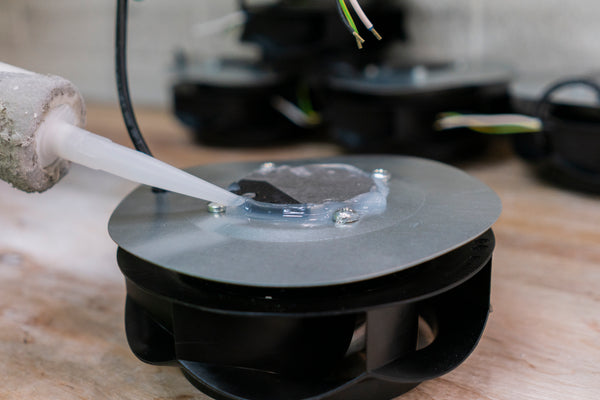
Sealing also helps limit unwanted air leakage. In some locations, a contractor may use radon caulk around visible gaps or penetrations to support the overall performance of the system. That step won’t solve a radon problem on its own, but it can make the active mitigation system more effective.
The most important point is balance. Sealing works best as part of a complete mitigation strategy, not as a substitute for one. Homeowners who only patch cracks may lower some airflow, but they usually won’t address the full movement of radon beneath the slab. A sub-slab system tackles the source and uses sealing to strengthen the result.
Why the System Matters
A sub-slab radon system matters because radon exposure starts below the home, not inside the room where people notice the concern. If a house has elevated radon levels, the most practical fix often involves controlling the gas before it enters the living space. That’s exactly what this system does.
Without mitigation, radon can continue moving indoors day after day. Since the gas has no smell or color, people may not realize anything is wrong. That hidden nature makes the issue easy to delay or dismiss. Once testing reveals elevated levels, though, homeowners need a solution that addresses the problem directly and reliably.
A sub-slab system also matters because it works continuously. It doesn’t depend on someone opening windows, changing habits, or applying temporary fixes. It runs in the background and provides ongoing control of soil gases beneath the slab. That steady performance makes it a strong long-term option for many homes.
Is It Important for Every Home
Not every home requires a sub-slab radon system, but every home should take radon seriously. The first step is always testing. If radon levels are low, the homeowner might not need mitigation right now. If the results are high, the conversation changes quickly.
For a slab home with elevated radon, installing a sub-slab system is often one of the most important improvements a homeowner can make. It tackles a hidden problem at its source and offers a practical way to decrease long-term exposure. In many cases, it provides the most efficient and reliable solution.
The importance of the system depends on test results, home design, and how air flows beneath the slab. Some homes respond well to a single suction point, while others require more careful planning due to slab size, footings, or sub-slab materials. This variation highlights why professional evaluation is so important. The basic idea remains the same, but the design should be tailored to each house.

Why Professional Design Makes a Difference
Sub-slab mitigation involves more than placing a fan on a pipe. Soil conditions, slab thickness, footing layout, and hidden barriers under the foundation can all affect performance. A house with one layout may need a very different design from a house next door.
Professional installers understand how to read those conditions and choose the right approach. They know where to place suction points, how to route piping, and how to match fan strength to the needs of the structure. That knowledge helps them build a system that performs well instead of one that only appears adequate.
Good design also helps prevent wasted effort. An undersized fan, a poor pipe route, or a badly chosen suction location can limit the system’s ability to create the pressure change it needs. Homeowners get better results when the installation follows the structure of the home rather than a one-size-fits-all plan.
Why It Deserves Attention
A sub-slab radon system plays an important role because it addresses radon where it starts. For homes built on slabs, that matters more than many people realize. A slab foundation doesn’t make a home immune to radon, and visible signs rarely reveal the problem. Once testing shows elevated levels, homeowners need a solution that works below the floor, not just around it.
That’s why the system matters so much. It gives radon a controlled path out of the home before the gas can build up indoors. It supports healthier indoor air, works continuously, and offers a practical response to a problem homeowners can’t detect on their own. When a slab home has elevated radon, a sub-slab system often stands out as one of the smartest and most important upgrades a homeowner can make.