


What Is Radon in Well Water & Why Is It Important?
Radon often brings basement air to mind, but the gas can also enter a home through well water. You can’t see, smell, or taste it, so a clear glass of water may still carry radon from the ground below. When your household uses that water, part of the gas can move into the indoor air.
That possibility deserves attention because daily routines can create repeated exposure. Showers, laundry, cooking, and dishwashing all agitate or heat water, which helps radon escape. Homeowners who understand the connection between well water and indoor air can make smarter testing and treatment decisions. Continue reading to explore what radon is well water is and why it’s important.
What Radon Is
Radon forms naturally as uranium breaks down in rock and soil. The process happens underground, where the gas can move through small openings and collect in nearby spaces. Radon can enter a house through foundation cracks, gaps around pipes, sump openings, and other pathways.
Groundwater creates another route. As water travels through rock and soil, it can dissolve radon and carry the gas into a private well. The water then brings radon into the plumbing system and every fixture that the plumbing serves.
How Radon Reaches Well Water
Private wells draw water from underground aquifers. Those aquifers sit among rock and soil that may contain uranium. When uranium decays, radon can enter the surrounding groundwater.
Geology plays a major role, so neighboring wells can produce different results. One home may have a low level while a nearby property records a higher level. Well depth, water movement, bedrock, and local soil conditions can all influence the amount of radon that reaches a water supply.
Surface water usually presents less concern. Lakes, rivers, and reservoirs allow much of the gas to escape before the water reaches a home. Underground water stays in closer contact with radon-producing rock, which gives the gas more opportunity to dissolve.

How Water Affects Indoor Air
Radon doesn’t remain trapped in water forever. Household use releases some of the gas into the air, especially when water sprays, splashes, or heats up. A shower can create a temporary rise in airborne radon, and washing machines, dishwashers, baths, and faucets can contribute as well.
The amount that enters the air depends on the radon level in the water and the way the household uses it. Ventilation, room size, water temperature, and daily water demand can also affect indoor concentrations. A large family may use more water than a single resident, which can create more opportunities for radon to move from water into air.
Why Exposure Deserves Attention
Breathing radon over time raises the risk of lung cancer. Radon that leaves well water can add to the amount already entering through the soil beneath a home. For most households, soil gas contributes more indoor radon than water, but well water can still add to the total exposure.
Drinking water with radon creates a smaller health concern than inhaling the gas after it enters the air. Even so, homeowners shouldn’t ignore the water source. A complete approach looks at both pathways rather than assuming one test explains the entire home.
Who Should Consider Testing
Any home with a private well can benefit from informed water testing, especially in areas with known radon concerns. A recent home purchase, a new well, or a change to the water system can also prompt a test.
An indoor air result can guide the next step, but it doesn’t reveal the radon level in water. A home can have a lower air reading and still have elevated radon in the well. Testing both sources gives a homeowner a clearer picture of where exposure comes from.
How Water Testing Works
Use a laboratory that handles radon-in-water samples and follow its collection directions closely. Radon escapes easily, so bubbles, splashing, delays, or the wrong container can affect the sample. A qualified radon professional can collect the water when a homeowner wants additional support.
The sample usually comes from a faucet before water passes through a treatment unit. The collector may need to remove the faucet aerator and let the water run before filling the container. The lab then reports the concentration in picocuries per liter.
Don’t use a standard drinking water test as a substitute. Many common well panels check bacteria, nitrates, metals, or other contaminants but leave out radon. Ask the laboratory to confirm that the requested analysis includes radon in water.
What the Results Mean
Private-well guidance can vary by state, and the United States doesn’t apply one federal radon limit to every private well. Homeowners should compare the lab result with current guidance from their state radon program, health department, or qualified professional.
The result also needs context. A professional may review the indoor air level, water concentration, household water use, home layout, and existing equipment before recommending treatment. That broader review helps the homeowner avoid choosing a system from one number alone.
How Treatment Reduces Radon
Whole-house treatment addresses radon before water reaches showers, sinks, appliances, and drinking taps. Professionals commonly use aeration or granular activated carbon systems.
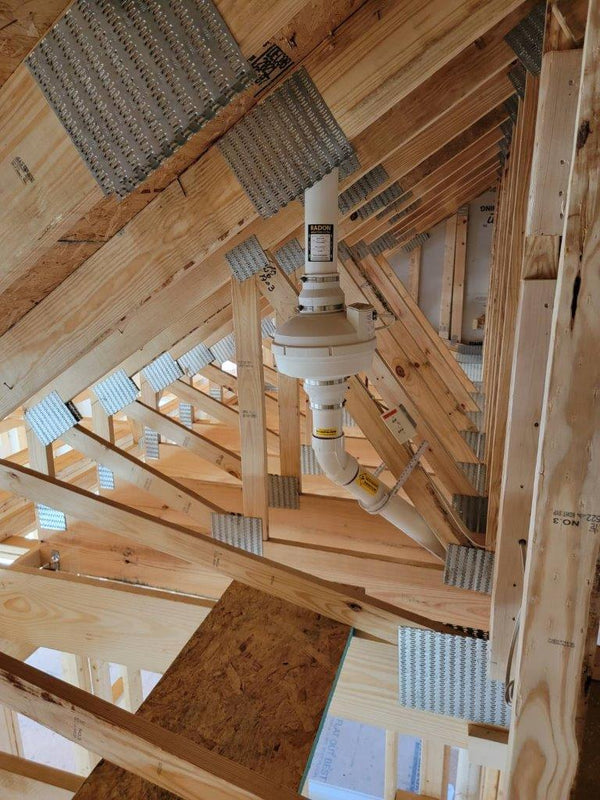
An aeration system mixes air with the incoming water, so radon leaves the water inside a treatment tank. A fan then moves the gas outdoors through a vent. Professionals often recommend aeration for higher water concentrations because the method can remove a large share of the radon before household use.
A granular activated carbon system passes water through carbon media that captures radon. This option may fit moderate concentrations and certain household conditions. The media can collect radioactive material over time, so a qualified installer should plan the unit’s placement, maintenance, and eventual disposal.
The installation may require different radon mitigation supplies. Proper system selection, installation, and maintenance carry more weight than equipment quality alone, but every component still needs to match the design. A trained professional can size the system for the water flow, radon level, available space, and household demand.

Why Air and Water Need Separate Plans
A water treatment system won’t stop radon from entering through the foundation. In the same way, a soil-based mitigation system won’t remove radon from well water before it reaches the tap. Some homes need one solution, while others need both.
Start with reliable air and water results. Then identify how each source contributes to the home. A coordinated plan can reduce exposure without adding equipment that doesn’t address the source.
What Happens After Installation
Treatment requires follow-up. Test the water after installation to confirm that the system reduces radon as intended. Continue with the maintenance schedule for filters, carbon media, pumps, fans, and alarms.
Homeowners should also repeat indoor air testing. Conditions can change with seasons, renovations, ventilation habits, and equipment performance. Follow-up testing helps confirm that the complete radon plan continues to protect the household.
Take Radon in Water Seriously
Well water can look clean and taste normal while carrying radon from underground rock. The gas can then enter indoor air during ordinary routines, adding another source of exposure inside the home.
Testing replaces uncertainty with useful information. When results show a concern, the right treatment system can reduce radon before the water reaches household fixtures. By checking both air and water, choosing professional guidance, and maintaining the equipment, homeowners can take practical steps toward a healthier living space.