


What Is the Stack Effect and How Does It Affect Your Home?
Have you ever noticed cold drafts sneaking through your home during winter or felt like your air conditioning struggles to keep up in summer? These issues often stem from a natural phenomenon called the stack effect. Understanding this process can help you improve your home’s energy efficiency, lower utility bills, and protect your indoor air quality.
The stack effect influences how air moves through your home, creating pressure differences that lead to unwanted air leakage. When left unaddressed, these pressure imbalances can increase heating and cooling costs while allowing harmful gases like radon to enter your living spaces. Learning how the stack effect works gives you the knowledge to take action and safeguard your home.
What Is the Stack Effect?
The stack effect describes the movement of air in and out of buildings due to temperature differences between indoor and outdoor environments. Warm air naturally rises because it becomes less dense as it heats up, while cooler air sinks. This temperature-driven movement creates pressure differences within your home.
During colder months, heated indoor air rises toward your attic and upper floors, creating a low-pressure zone in your basement and lower levels. Outside air rushes in through any available openings to replace the air that escaped from the top. This continuous cycle pulls air upward through your home like a chimney, which explains why the stack effect becomes more noticeable when outdoor temperatures drop.
The height of your home amplifies this effect. Taller buildings experience more pronounced pressure differences because warm air has more vertical space to travel before escaping. Even single-story homes feel the impact, though multi-story residences typically see more dramatic results.
How the Stack Effect Works in Your Home
Air leakage happens through countless small openings throughout your home’s structure. Your attic experiences the greatest air loss because warm air naturally accumulates there before escaping through gaps in insulation, around vent pipes, or through poorly sealed access doors. Basements and crawlspaces serve as primary entry points for outside air, with cold drafts seeping through foundation cracks, rim joists, and utility penetrations.
Windows and doors contribute to air leakage even when closed. Weatherstripping deteriorates over time, and gaps around frames allow air to pass through freely. Electrical outlets on exterior walls, recessed lighting fixtures, and plumbing penetrations all create pathways for unwanted air movement.
This constant air exchange forces your heating and cooling systems to work harder. Your furnace battles to warm incoming cold air during winter, while your air conditioner fights to cool air that leaks in during summer. These efficiency losses translate directly to higher energy bills. Homeowners who address air leakage issues often see utility costs drop by 15 to 30 percent.
The stack effect also impacts indoor air quality beyond just temperature control. As air gets pulled through your basement and foundation, it can carry moisture, mold spores, and other contaminants into your living spaces. This upward air movement also creates ideal conditions for drawing soil gases into your home, with radon as the most serious concern.

The Stack Effect and Radon: A Dangerous Combination
Radon is a colorless, odorless radioactive gas that forms naturally when uranium in soil and rock breaks down. This gas rises through the ground and can enter homes through foundation cracks, gaps around service pipes, and other openings. The stack effect acts like a vacuum, actively pulling radon from the soil into your basement and lower levels.
Long-term exposure to radon poses serious health risks. This gas ranks as the second leading cause of lung cancer in the United States, responsible for thousands of deaths each year. The danger increases because you cannot see, smell, or taste radon, making detection impossible without proper testing.
The pressure differences created by the stack effect make radon infiltration worse. As warm air escapes from your upper floors, the negative pressure in your basement intensifies, drawing more radon gas into your basement. Homes in areas with high soil radon levels face a greater risk, but any home can develop radon problems regardless of location or construction type.
Testing provides the only way to know your radon levels. Short-term tests take two to seven days, while long-term tests run for 90 days or more to capture seasonal variations. If tests reveal radon levels at or above four picocuries per liter (pCi/L), the EPA recommends taking action to reduce exposure.
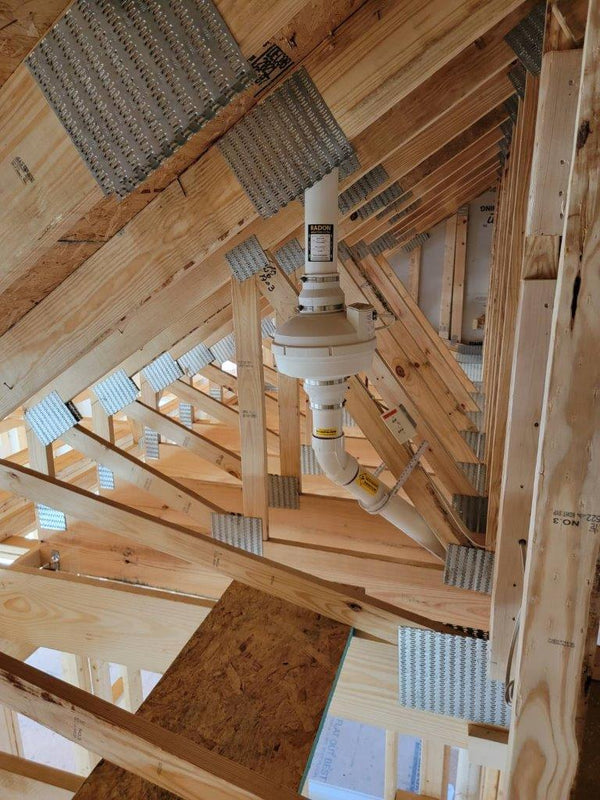
Radon mitigation systems offer an effective solution. These systems typically use a fan to create negative pressure beneath your foundation, pulling radon from the soil before it can enter your home and venting it safely outside. Active soil depressurization reverses the stack effect’s pull on radon, protecting your family from this invisible threat.
Protecting Your Radon Mitigation System
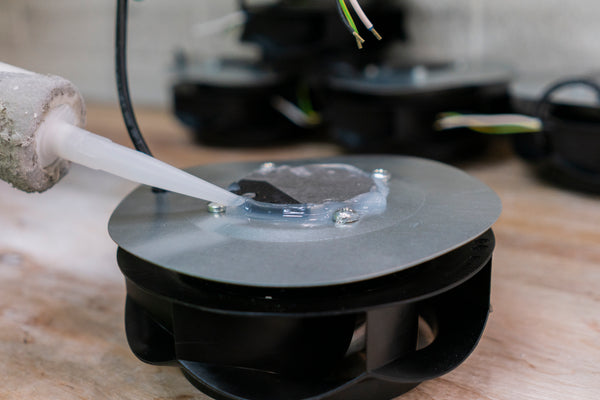
Once you install a radon mitigation system, protecting its components is crucial to maintaining its effectiveness. The radon fan serves as the system’s heart, running continuously to prevent radon from entering your home. These fans typically mount on exterior walls or in attics, where they face exposure to weather, temperature extremes, and environmental debris.
Outdoor radon fan covers provide essential protection against these elements. Rain, snow, and ice can damage fan components over time, reducing efficiency and shortening the fan’s lifespan.
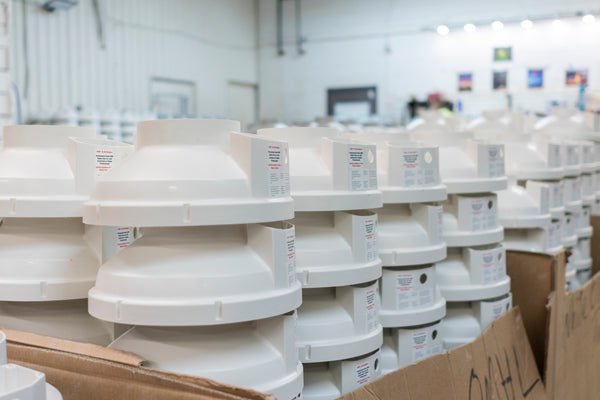
Festa Radon Technologies specializes in durable radon fan covers designed to withstand harsh conditions. Their products shield fans from moisture, UV damage, and physical impacts while maintaining proper ventilation. These covers feature weather-resistant construction that holds up season after season, protecting your investment in radon mitigation.
The covers also improve your home’s appearance. Exposed radon fans can look industrial and out of place on residential exteriors. A well-designed cover blends with your home’s aesthetic while serving its protective function. Festa Radon Technologies offers sleek white covers that complement most home designs, turning a practical necessity into an unobtrusive feature.
Installation simplicity matters too. Festa’s radon fan covers mount easily without requiring special tools or expertise. This straightforward installation means you can quickly protect your radon fan, getting your mitigation system up and running without delay.

Take Control of Your Home’s Air Quality
Understanding the stack effect empowers you to address air leakage, improve energy efficiency, and protect against radon infiltration. This natural phenomenon affects every home, creating pressure differences that influence comfort, utility costs, and health. Taking action to manage these effects delivers tangible benefits for your family and your budget.
Radon mitigation systems provide proven protection against this serious health threat, but these systems need proper maintenance to remain effective. High-quality outdoor radon fan covers from Festa Radon Technologies shield your mitigation equipment from weather damage, extending system life while maintaining peak performance. Their durable, attractive covers offer the protection your radon fan needs with the professional appearance your home deserves.
Don’t leave your radon mitigation system exposed to the elements. Contact Festa Radon Technologies today to learn more about their radon fan cover solutions and find the right option for your home. Their team stands ready to answer your questions and help you protect both your radon mitigation investment and your family’s health.