



What Static Pressure Means for Radon Fans
A radon fan may hum quietly for years, yet that familiar sound can’t tell you how effectively the system works. Its performance depends partly on a measurement homeowners often overlook. That measurement is static pressure, which helps explain why two similar-looking fans may behave differently beneath your home. Once you connect pressure to airflow, fan specifications become easier to interpret. Continue reading to explore what static pressure means for radon fans.
Start With the Fan’s Job
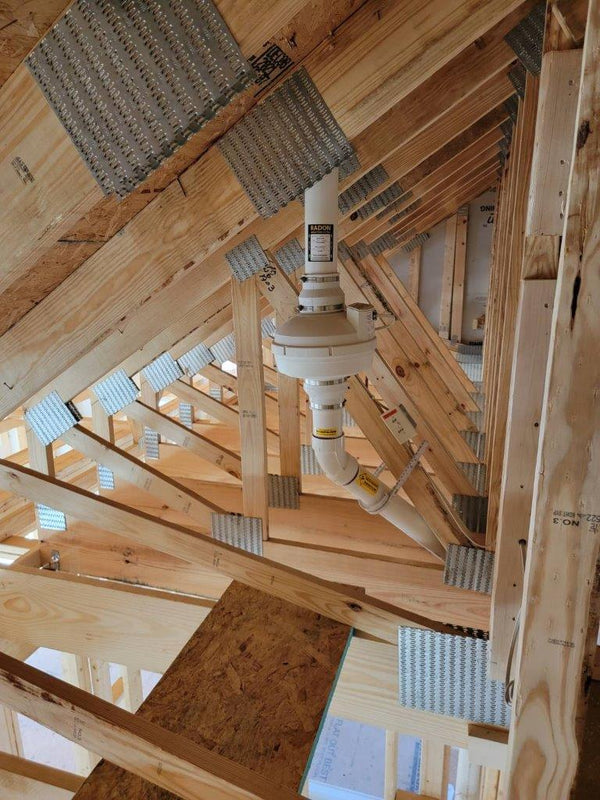
An active radon mitigation system uses a fan to draw soil gas from beneath a foundation and release it outdoors through a vent pipe. The system must create enough suction beneath the floor to discourage radon from entering living spaces.
Every house presents a different challenge. Soil conditions influence how readily air travels underground, and the vent layout adds its own resistance. A fan that works well in one house may struggle in another with similar square footage.
Understand Static Pressure
Static pressure describes the pressure difference a fan works against as it moves air through a system. In radon mitigation, that resistance comes partly from the material beneath the floor and partly from the vent piping. The fan must overcome that resistance while maintaining useful airflow.
Manufacturers commonly express static pressure in inches of water column. You may see the abbreviation in. WC beside a performance figure. The unit describes a small pressure difference, not the amount of water inside your pipes. It helps compare how much resistance fans can handle.
Pair Pressure With Airflow
Airflow tells you how much air a fan moves in a given time. Manufacturers express it in cubic feet per minute, or CFM. Static pressure tells you about the resistance the fan encounters while moving that air.
These measurements work together. As resistance increases, a typical fan moves less air. That’s why a model with an impressive maximum CFM rating may not deliver the airflow your foundation needs. Check performance under pressure instead of trusting the largest advertised number.
Read the Fan Curve
Manufacturers use performance curves to show how airflow changes at different pressure levels. One axis represents pressure, while the other shows airflow. Each point describes what the fan can deliver under those conditions.
Suppose two fans offer similar airflow with almost no resistance. At a higher pressure, one may continue moving useful air while the other slows considerably. Their curves reveal the difference before installation. A qualified contractor can compare those curves with diagnostic measurements from your home instead of guessing from fan size.

Consider the Soil
The space beneath your slab has a major influence on static pressure. Loose gravel usually gives air relatively open paths toward a suction point. Dense soil can resist that movement, so a contractor may need a fan capable of developing greater suction at lower airflow.
Neither condition automatically calls for the largest motor. A system beneath open gravel may need more airflow but relatively modest suction. Tighter soil may require a different balance. Sub-slab conditions often tell installers more than basement size.
Check Suction Reach
Static pressure isn’t the whole performance picture. The suction must reach the parts of the foundation where soil gas could enter. Professionals call that coverage pressure field extension.
An installer can apply temporary suction and measure pressure changes beneath other sections of the floor. If an interior footing blocks communication between areas, a stronger fan alone may not solve the problem. The contractor might add another suction point to reach the isolated section.
Account for Pipe Resistance
Even a well-chosen fan can lose useful performance through an inefficient vent route. Long pipe runs create friction, while sharp elbows add resistance as air changes direction. Pipe diameter affects how easily the system carries air outdoors.
That’s why fan selection shouldn’t happen separately from piping decisions. A contractor must evaluate the route to the discharge location. Improving that route may support airflow more effectively than replacing a suitable fan with a more powerful model.
Understand the Manometer
Many active systems have a U-shaped manometer attached to the vent pipe. The liquid levels show a pressure difference between the pipe and the surrounding air. When the fan operates, the two sides usually sit at different heights.
This reading helps you notice changes in system suction, but it doesn’t measure indoor radon or directly tell you how much air moves through the pipe. Your installer’s normal reading provides a useful reference. Take a photo after installation so you can recognize an unusual change later.
Don’t Chase Higher Numbers
A higher manometer reading doesn’t automatically mean better radon reduction. It may reflect stronger suction, but a restriction can also raise the pressure difference while reducing airflow. A low reading can signal a leak or failing fan, yet some properly functioning systems naturally operate at lower pressures.
Compare readings with your own system’s established range instead of someone else’s gauge. A sudden change deserves attention, especially when the fan sounds different. Interpret the number alongside airflow measurements and radon tests.
Match the Fan to the Home
When you compare radon mitigation kits or individual fans, check performance information rather than choosing by price or pipe connection alone. The best fit depends on your system’s operating pressure and airflow. Fan curves give installers a clearer basis for that choice.
An oversized fan can increase noise and electricity use without improving suction coverage. An undersized model may struggle to maintain the needed pressure beneath your slab. Professional diagnostics help avoid both problems.
Watch for System Changes
Over time, a loose coupling or damage to the vent pipe can change system behavior. Water collecting in a low section of piping may also interfere with airflow. If the gauge changes sharply, don’t assume the fan failed.
Check the warning device regularly and contact a qualified radon professional when readings move outside the expected range. Leave electrical work and system modifications to someone with the appropriate training. Keep the fan running continuously unless a qualified professional directs otherwise.

Confirm With Radon Testing
Even a healthy pressure reading can’t prove that the air inside your home has low radon levels. Only a radon test can answer that question. After installation, follow the recommended post-mitigation testing process to verify the reduction.
Continue testing periodically, even if the fan runs quietly and the gauge stays steady. The Environmental Protection Agency recommends retesting at least every two years after mitigation. Regular testing helps you catch a hidden problem.
Choose With Confidence
Understanding what static pressure means for radon fans makes equipment choices less mysterious. You can ask better questions about fan curves and soil conditions. Most importantly, you’ll know that successful mitigation depends on both effective suction beneath the foundation and verified indoor radon levels.
If you’re comparing fan options, explore Festa Radon Technologies’ selection and review the performance information with a qualified installer. The right match supports dependable radon control.