


The Indoor Air Quality Risks That Can Appear When a Long-Vacant House Becomes Occupied Again
A house that sat empty for six months does not greet its new owners with fresh air. Closed windows, an idle furnace, still plumbing, and a sealed basement change how air and moisture behave long before anyone carries in the first box. For families arriving from another state or another country, the gap between closing and move-in is often the only clean chance to spot problems. Radon, mold, stagnant water, and dusty ductwork are the indoor air quality risks that can appear when a long-vacant house becomes occupied again. Each one is easier to handle before the furniture arrives.
Why Doesn’t a Vacant House Change Its Own Air?
A vacant house changes its own air because nothing disturbs it. Without people opening doors, running showers, or cooking, the home loses most of its everyday air exchange. Radon is a radioactive gas that forms when uranium breaks down in soil and rock, and it seeps in through foundation cracks and gaps. Poor ventilation can keep radon levels elevated, which is why radon exposure and indoor air quality are closely connected in homes with limited air exchange.
A popular belief says radon keeps building up in an empty house for months. In reality, radon has a half-life of about 3.8 days, so indoor levels settle into a balance between what seeps in and what decays. The real danger in unoccupied property is different. Nobody is there to notice a high reading, and new occupants often assume a quiet house is a safe one.
When Should Testing Fit Into the Moving Timeline?
Testing should happen before move-in day, ideally while the house is still empty. A short-term radon test needs closed-house conditions, with windows and exterior doors kept shut except for normal entry. The heating or cooling should also run as it would during the season. Families relocating from abroad often have a useful window before their belongings arrive, especially when Logicstics is coordinating the international shipment and delivery to the new home.
The weeks between closing and delivery are valuable for more than radon. A test kit placed in the lowest level the family plans to use regularly can return results within days. A mold check, a plumbing flush, and an HVAC service call fit into the same stretch. Booking all of them before the shipment arrives keeps rooms clear and saves new owners from moving boxes twice.
What Happens When the Heating and Cooling Turn Back On?
Restarting the HVAC system shifts indoor air pressure, and pressure differences help pull soil gas into a home. An idle furnace or air handler can also blow settled dust, insect debris, and mold spores through the vents during its first cycles. Forced-air systems matter most, because ductwork in basements and crawl spaces can draw air from below the living space. Because the impact of HVAC systems on radon levels can become more noticeable once heating or cooling resumes, retesting after a few weeks of normal operation can give a more representative reading.
A technician can replace filters, clear the condensate drain, and inspect duct joints before anyone sleeps in the house. Homeowners who moved in during winter should pay extra attention, since closed windows and steady heating keep indoor air recirculating.
Which Other Hazards Return With Daily Life?
Radon is only one of the air problems that surface when a quiet house comes back to life. Moisture and water systems create their own risks, and both often show up within the first week of occupancy.
Is Mold Hiding in the Closed Rooms?
Mold often hides where air stopped moving: under sinks, behind furniture left against exterior walls, and in basements without a running dehumidifier. A musty smell during the first walkthrough usually points to active growth rather than old odor. Daily showers, cooking, and laundry quickly add humidity, which can feed colonies that stayed small while the house sat empty. Checking drywall near windows and pipes and running a basement dehumidifier both lower that risk.
What About Water Sitting in the Pipes?
Stagnant plumbing becomes an air quality issue because people inhale fine droplets from shower water. When water sits still, hot water can cool into the 77–113°F range where Legionella bacteria grow, and disinfectant levels in the pipes can fade. After a prolonged shutdown, the CDC guidance on reopening buildings recommends checking for problems including Legionella, mold, and metals that may enter stagnant water from plumbing. In a home, flushing every tap with cold water before the first shower is a practical starting point.
What Should a Radon Result Tell You?
A radon result tells new occupants whether the house needs mitigation before or soon after move-in. A picocurie per liter (pCi/L) is a unit that measures radioactive decay in one liter of air. The EPA recommends fixing a home when a confirmed level reaches 4 pCi/L or higher. If the first short-term result is well above the action level, EPA’s A Citizen’s Guide to Radon recommends confirming it with another short-term test before deciding on the next step.
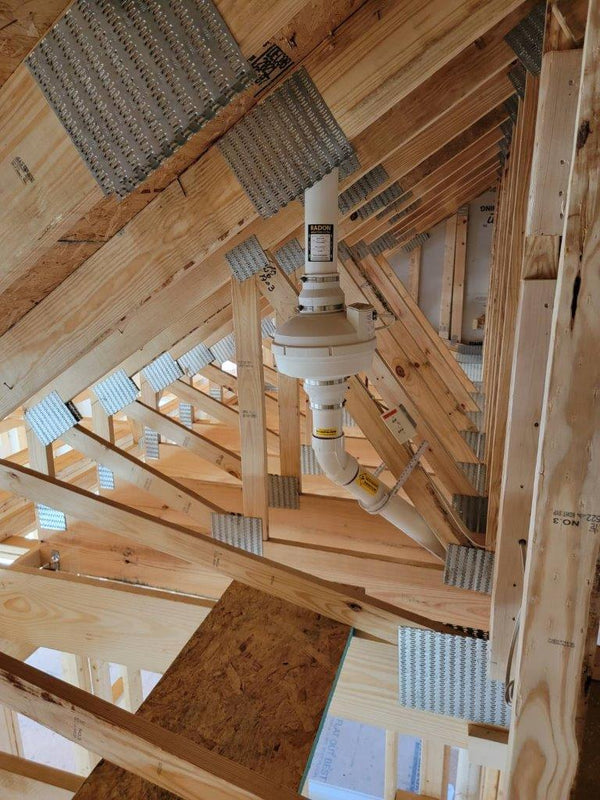
Results under 4 pCi/L still carry some risk, and mitigation can bring many homes lower. Mitigation is a system that draws radon from beneath the foundation and vents it above the roofline. A contractor certified by the National Radon Proficiency Program can often install one while the family settles in.
Is Ongoing Monitoring Worth It After Move-In?
Ongoing monitoring is worth considering for any home that stood empty for a long stretch. The first months of occupancy change how the building breathes. Basements get used again, windows stay shut through winter, and new routines shift air pressure. In a home that has just gone from empty to occupied, radon monitoring is necessary to consider because a single short-term test only captures conditions over a limited window. A continuous monitor shows how levels respond to seasons, HVAC use, and household habits.
Turning a Quiet House Into a Healthy Home
A home that waited months for its next family deserves a short checklist before the moving truck or shipping container shows up. Radon testing, a plumbing flush, an HVAC service visit, and a moisture check address the indoor air quality risks that can appear when a long-vacant house becomes occupied again. Each step costs far less than fixing problems once every room is full. Anyone moving into an empty property can order a radon test this week and give the new home a head start on clean air.