

What to Expect During a Professional Radon Mitigation Installation
Radon is one of those home safety topics that often stays out of sight and out of mind until a test reveals elevated levels. When that happens, many homeowners feel a mix of concern and uncertainty. A professional radon mitigation installation can sound technical or disruptive, but in reality, the process is well established, efficient, and designed to bring peace of mind. Understanding what will happen before, during, and after installation can help you feel confident and prepared every step of the way.
Understanding Why Radon Mitigation Matters
Radon is a naturally occurring gas that forms as uranium breaks down in soil and rock. It can move through the ground and enter homes through small openings, accumulating indoors without any smell or visible signs. Long-term exposure to high radon levels is a known health risk, which is why mitigation is recommended once readings exceed accepted safety thresholds.
Mitigation does not mean eliminating radon completely. Instead, it focuses on reducing indoor radon concentrations to safer levels by controlling how the gas moves beneath and around your home. Professional systems are designed to work continuously in the background, quietly improving indoor air quality without disrupting daily life.
The Role of Professional Testing Before Radon Mitigation Installation
Before any mitigation work begins, reliable testing is essential. In many cases, homeowners start with a short-term or long-term radon test to confirm elevated levels. Professionals may review previous test results or conduct additional measurements to understand how radon behaves in the home over time.
This testing phase helps determine the most effective system design. Every home is different, and factors such as foundation type, soil conditions, and overall structure influence how radon enters the building. Careful evaluation ensures the installation addresses the root of the problem rather than relying on a one-size-fits-all approach.
Initial Home Evaluation and System Planning
Once mitigation is recommended, the installer performs a detailed evaluation of the property. This includes examining the foundation, identifying potential entry points, and determining the best route for piping and ventilation. The goal is to create a system that is both effective and visually unobtrusive.
During this stage, homeowners often appreciate how much planning goes into minimizing impact. Professionals look for ways to route pipes through closets, garages, or exterior walls where they blend naturally into the home’s design. Clear communication during planning helps set expectations and avoids surprises on installation day.
Preparing Your Home for Installation Day
Preparation for a mitigation installation is usually straightforward. Homeowners may be asked to clear small areas around the foundation or provide access to utility spaces. In most cases, there is no need to leave the home or make major changes to daily routines.
Installers typically arrive with all necessary equipment and materials, ready to work efficiently. The process is designed to be respectful of your space, with care taken to protect floors, walls, and furnishings. Knowing what to expect ahead of time helps the day feel calm and organized rather than disruptive.

What Happens During the Installation Process
Installation often takes several hours, depending on the complexity of the system and the size of the home. The most common approach involves creating a suction point beneath the foundation, which allows radon gas to be drawn out before it enters living spaces. This gas is then safely vented above the roofline.
Professionals work methodically, sealing openings and installing components with precision. Noise levels are usually moderate, similar to typical home improvement work. Homeowners are often surprised by how quickly the system comes together once the planning stage is complete.
The Importance of Sealing and Foundation Work
Sealing is a critical part of effective radon mitigation. Small cracks, gaps, or joints in the foundation can act as pathways for radon to enter the home. While sealing alone is not enough to solve the problem, it significantly improves the performance of the overall system.
During installation, professionals seal visible openings using durable materials designed to last. This step not only supports radon reduction but can also improve energy efficiency and reduce drafts. It is a detail-oriented process that reinforces the long-term reliability of the mitigation system.
Installing the Ventilation and Fan System
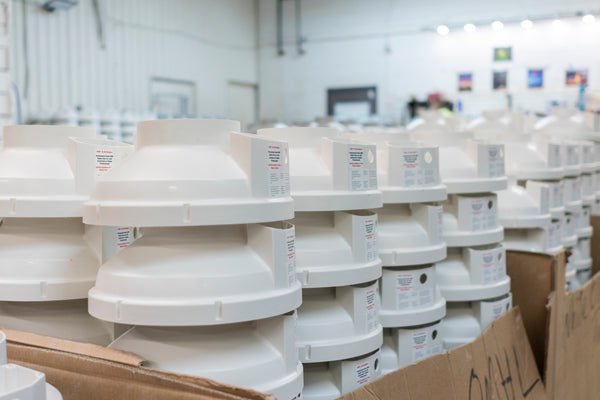
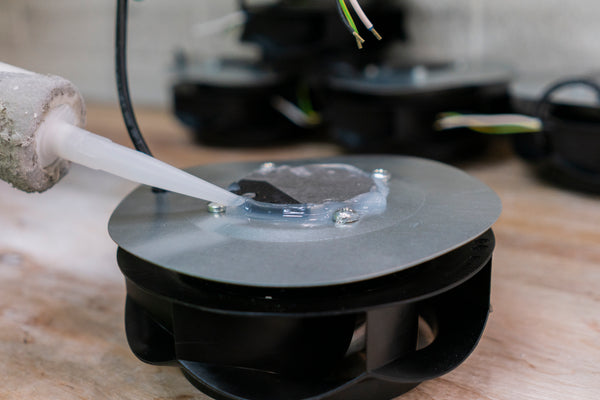
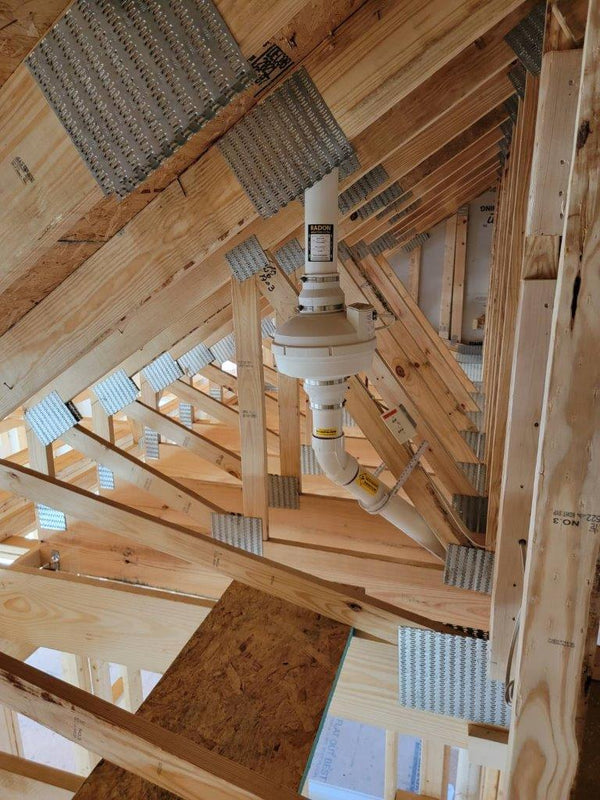
At the heart of most radon mitigation systems is a fan that creates continuous suction beneath the home. Professionals carefully select the fan based on the home’s characteristics and install it in a location that balances strong performance with quiet operation. Many systems are so quiet that homeowners forget they are running.
The ventilation piping directs radon safely away from the house, releasing it high above the roof where it disperses harmlessly into the air. Installers pay close attention to placement to ensure the system meets safety guidelines while maintaining a clean appearance.
How Long Does the Installation Typically Take?
One of the most reassuring aspects of professional radon mitigation is the speed of the process. Installers often complete the work in a single day, which lets homeowners return to their normal routines almost immediately. More complex homes may require additional time, but extended disruptions are uncommon.
This kind of efficiency often matters most during periods of transition, such as when a household is preparing for relocation or settling in after a move. In those moments, smooth coordination makes a noticeable difference. In the same way that planning a relocation with Here & Now Movers can simplify the moving process and ease stress, a well-organized radon mitigation installation keeps everything running smoothly and predictably from start to finish.

One of the most reassuring aspects of professional radon mitigation is the speed of the process.
Post-Installation Testing and System Verification
After installation, follow-up testing is essential to confirm that radon levels have been successfully reduced. Professionals often recommend waiting a short period before testing again to allow the system to stabilize. The results provide clear evidence of the system’s effectiveness.
Homeowners are also shown how to recognize normal system operation. Many systems include simple indicators that confirm the fan is running as intended. This transparency builds confidence and ensures you know what to look for over time.
Living With a Radon Mitigation System
Once installed, a radon mitigation system requires minimal attention. The fan runs continuously, and homeowners typically perform only occasional visual inspections. Manufacturers design these systems for durability, with components that often last many years before requiring replacement.
Most homeowners quickly forget the system is even there, aside from the reassurance it provides. The system works quietly in the background, letting you enjoy your home without constant reminders of the issue you addressed.
Maintenance, Monitoring, and Long-Term Peace of Mind
While radon mitigation systems are low maintenance, periodic testing is still recommended. Testing every few years or after major home changes helps ensure levels remain low. If a fan ever needs replacement, it is typically a straightforward process.
This ongoing awareness supports long-term peace of mind. Knowing that your home is actively reducing radon levels allows you to focus on comfort, safety, and everyday living rather than lingering concerns about indoor air quality.
Confidence Through Knowledge and Preparation
A professional radon mitigation installation is far less intimidating once you understand the process. From initial testing and thoughtful planning to efficient installation and follow-up verification, the process actively protects your home and your health at every step. The work is precise, the disruption is minimal, and the benefits are long-lasting.
By knowing what to expect, homeowners can approach radon mitigation with confidence rather than anxiety. The result is a safer indoor environment and the reassurance that comes from taking proactive steps to protect the people who matter most under your roof.